


- Afhalen na 1 uur in een winkel met voorraad
- Gratis thuislevering in België vanaf € 30
- Ruim aanbod met 7 miljoen producten
- Afhalen na 1 uur in een winkel met voorraad
- Gratis thuislevering in België vanaf € 30
- Ruim aanbod met 7 miljoen producten





€ 33,45
+ 66 punten
Uitvoering
Omschrijving
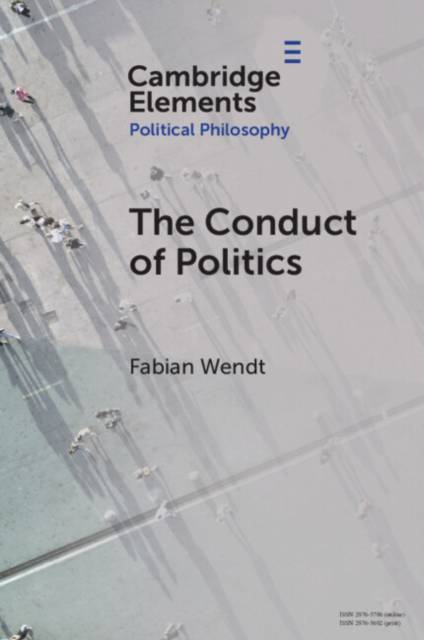
Do politicians have to get dirty hands - and what does that mean? Is it okay to be corrupt, when corruption is systemic? When is it a good thing to make compromises in politics? These are questions about political conduct that are raised in political ethics, a somewhat underappreciated subfield of political philosophy. This Element offers a fresh, systematic introduction to political ethics. It starts with a discussion of two challenges to the discipline: One comes from political realists who reject moralism in political philosophy and the other from public choice theorists who model politicians as rational egoists. It then discusses the problem of dirty hands, political corruption, and political compromise as three core topics of political ethics.
Specificaties
Betrokkenen
- Auteur(s):
- Uitgeverij:
Inhoud
- Aantal bladzijden:
- 78
- Taal:
- Engels
- Reeks:
Eigenschappen
- Productcode (EAN):
- 9781009558969
- Verschijningsdatum:
- 19/03/2026
- Uitvoering:
- Paperback
- Formaat:
- Trade paperback (VS)
- Afmetingen:
- 152 mm x 229 mm
- Gewicht:
- 117 g


Alleen bij Standaard Boekhandel
+ 66 punten op je klantenkaart van Standaard Boekhandel
AANGERADEN


Beoordelingen
We publiceren alleen reviews die voldoen aan de voorwaarden voor reviews. Bekijk onze voorwaarden voor reviews.