


- Afhalen na 1 uur in een winkel met voorraad
- Gratis thuislevering in België vanaf € 30
- Ruim aanbod met 7 miljoen producten
- Afhalen na 1 uur in een winkel met voorraad
- Gratis thuislevering in België vanaf € 30
- Ruim aanbod met 7 miljoen producten





€ 135,45
+ 270 punten
Omschrijving
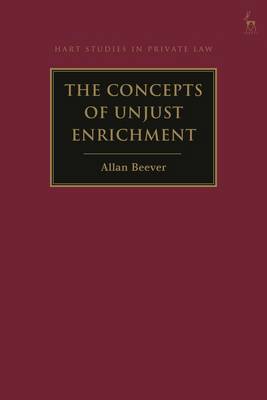
Unlike other areas of the private law, the law of unjust enrichment stands or falls with the theory upon which it is based. This theory, fashioned primarily by Peter Birks and continued by many other scholars is known as the 'dominant model'. The model employs a number of crucial concepts such as enrichment, benefit, value, and injustice. Unfortunately, the model has no coherent understanding of these things. Instead, it equivocates over the meanings of these concepts and at times adopts strange and even absurd understandings of them. It has to do this, because the model does not work. The dominant model is a failure. After revealing this, the book goes on to demonstrate how a more constrained and humble law of unjust enrichment might emerge from the wreckage of the dominant model. As scholarly doubts around the dominant model increase, this thought-provoking revision of unjust enrichment is both welcome and needed.
Specificaties
Betrokkenen
- Auteur(s):
- Uitgeverij:
Inhoud
- Aantal bladzijden:
- 432
- Taal:
- Engels
- Reeks:
Eigenschappen
- Productcode (EAN):
- 9781509994120
- Verschijningsdatum:
- 11/06/2026
- Uitvoering:
- Hardcover
- Formaat:
- Genaaid
- Afmetingen:
- 156 mm x 234 mm
- Gewicht:
- 453 g


Alleen bij Standaard Boekhandel
+ 270 punten op je klantenkaart van Standaard Boekhandel
AANGERADEN


Beoordelingen
We publiceren alleen reviews die voldoen aan de voorwaarden voor reviews. Bekijk onze voorwaarden voor reviews.