


- Afhalen na 1 uur in een winkel met voorraad
- Gratis thuislevering in België vanaf € 30
- Ruim aanbod met 7 miljoen producten
- Afhalen na 1 uur in een winkel met voorraad
- Gratis thuislevering in België vanaf € 30
- Ruim aanbod met 7 miljoen producten





€ 2,99
+ 2 punten
Eenvoudig bestellen
Veilig betalen


Onmiddellijk geleverd via e-mail
Omschrijving
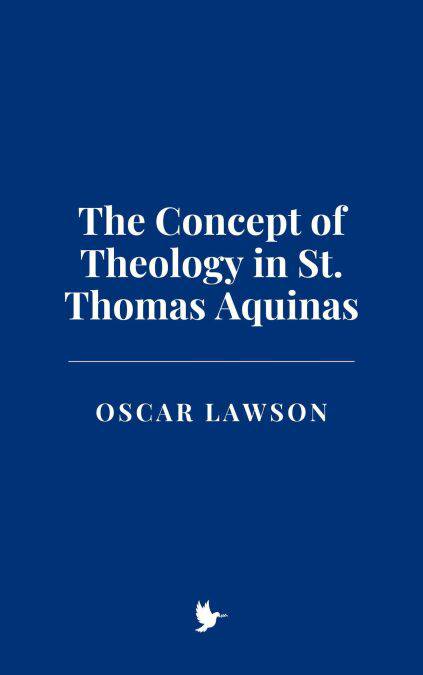
The theological system of St. Thomas Aquinas stands as one of the most comprehensive and enduring contributions to Christian thought, blending the rational rigor of Aristotelian philosophy with the revealed truths of Christianity. Born in 1225 in Roccasecca, a castle in the Kingdom of Sicily (now part of Italy), Aquinas lived during a time of intellectual ferment, where the rediscovery of Aristotle's works—mediated through Arabic commentators such as Avicenna and Averroes—challenged prevailing theological and philosophical assumptions. The 13th century was marked by a growing tension between faith and reason, as the influx of classical Greek thought, largely preserved by Islamic scholars, created new questions regarding the compatibility of philosophical reasoning with Christian dogma. The University of Paris, where Aquinas spent much of his intellectual life, became a battleground for these debates, particularly between the Augustinian and Platonic traditions dominant in earlier medieval thought and the emerging Aristotelian synthesis that Aquinas would champion.
Aquinas' most significant theological work, the Summa Theologiae, composed between 1265 and 1274, was conceived as a systematic exposition of Christian doctrine, intended as a guide for theological students. Unlike earlier theological approaches, which relied heavily on Platonic idealism as interpreted by St. Augustine, Aquinas sought to construct a framework in which theological knowledge could be defended using principles of rational discourse. For this, he turned to Aristotle, whose metaphysical and ethical theories offered a means of explaining reality based on empirical observation, causality, and logical deduction. Aristotle's notion of being (ousia), his doctrine of the four causes (material, formal, efficient, and final), and his concept of act and potency provided Aquinas with the tools necessary to articulate a theology that was intellectually rigorous while remaining faithful to Christian revelation.
Specificaties
Betrokkenen
- Auteur(s):
- Uitgeverij:
Inhoud
- Taal:
- Engels
Eigenschappen
- Productcode (EAN):
- 9798230703303
- Verschijningsdatum:
- 16/02/2025
- Uitvoering:
- E-book
- Formaat:
- ePub


Alleen bij Standaard Boekhandel
+ 2 punten op je klantenkaart van Standaard Boekhandel
CADEAU

AANGERADEN


Beoordelingen
We publiceren alleen reviews die voldoen aan de voorwaarden voor reviews. Bekijk onze voorwaarden voor reviews.