


- Afhalen na 1 uur in een winkel met voorraad
- Gratis thuislevering in België vanaf € 30
- Ruim aanbod met 7 miljoen producten
- Afhalen na 1 uur in een winkel met voorraad
- Gratis thuislevering in België vanaf € 30
- Ruim aanbod met 7 miljoen producten





€ 203,95
+ 407 punten
Omschrijving
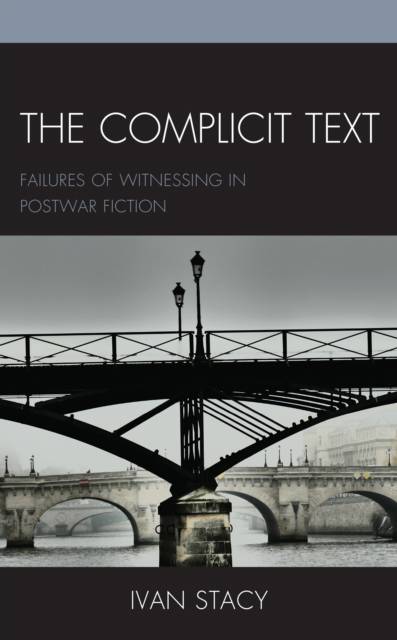
The Complicit Text: Failures of Witnessing in Postwar Fiction identifies the causes of complicity in the face of unfolding atrocities by examining the works of Albert Camus, Milan Kunera, Kazuo Ishiguro, W. G. Sebald, Thomas Pynchon, and Margaret Atwood. Ivan Stacy argues that complicity often stems from narrative failures to bear witness to wrongdoing. However, literary fiction, he contends, can at once embody and examine forms of complicity on three different levels: as a theme within literary texts, as a narrative form, and also as it implicates readers themselves through empathetic engagement with the text. Furthermore, Stacy questions what forms of non-complicit action are possible and explores the potential for productive forms of compromise. Stacy discusses both individual dilemmas of complicity in the shadow of World War II and collective complicity in the context of contemporary concerns, such as the hegemony of neoliberalism and the climate emergency.
Specificaties
Betrokkenen
- Auteur(s):
- Uitgeverij:
Inhoud
- Aantal bladzijden:
- 230
- Taal:
- Engels
- Reeks:
Eigenschappen
- Productcode (EAN):
- 9781498598705
- Verschijningsdatum:
- 10/12/2020
- Uitvoering:
- Hardcover
- Formaat:
- Genaaid
- Afmetingen:
- 152 mm x 229 mm
- Gewicht:
- 508 g



Alleen bij Standaard Boekhandel
+ 407 punten op je klantenkaart van Standaard Boekhandel
Cadeau

AANGERADEN


Beoordelingen
We publiceren alleen reviews die voldoen aan de voorwaarden voor reviews. Bekijk onze voorwaarden voor reviews.