


- Afhalen na 1 uur in een winkel met voorraad
- Gratis thuislevering in België vanaf € 30
- Ruim aanbod met 7 miljoen producten
- Afhalen na 1 uur in een winkel met voorraad
- Gratis thuislevering in België vanaf € 30
- Ruim aanbod met 7 miljoen producten





€ 95,40
+ 190 punten
Omschrijving
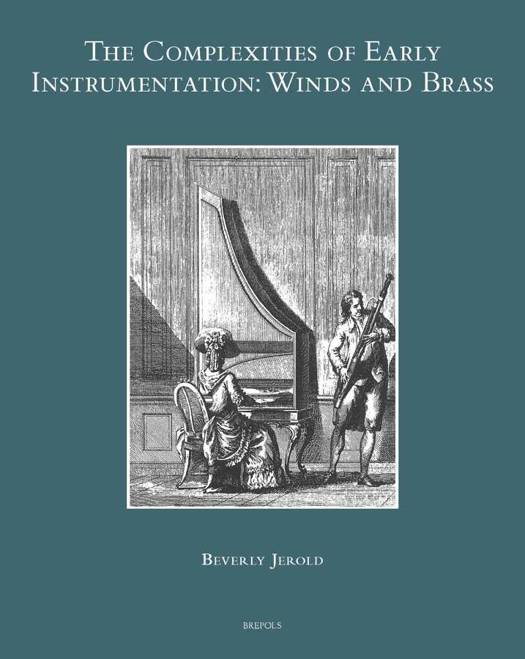
When a professional orchestra today plays an eighteenth-century work with parts for wind and brass instruments, nothing seems amiss. Yet writers in the eighteenth century and beyond indicate that many notes in these scores could not be played in tune by these instruments; certain notes could be produced only with difficulty or not at all. The present work concentrates on the time period least explored in modern writings - the years before Hector Berlioz's "Grand traite d'instrumentation et d'orchestration modernes" (1843) - and traces the development of instrumentation instruction for composers from its beginnings in the late eighteenth century, after the era of J. S. Bach and G. F. Handel. An introductory chapter includes background information on subjects related to the discussion: intonation, tuning, key action, the lack of a standard pitch level, and the difficulty of reed making. While earlier manuals supply little but the range of instruments, Valentin Roeser's "Essai d'instruction a l'usage de ceux qui composent pour la clarinette et le cor" (1764) offers composers concrete assistance in writing for the clarinet and horn. Louis-Joseph Francoeur's "Diapason general de tous les instrumens a vent" (1772) provides the same for all the winds and brass, as does Othon Vandenbroeck's "Traite general de tous les instrumens a vent a l'usage des compositeurs" (c.1793). This book is not a history of instrumentation per se, but an account of technological progress and ever-increasing knowledge.
Specificaties
Betrokkenen
- Auteur(s):
- Uitgeverij:
Inhoud
- Aantal bladzijden:
- 176
- Taal:
- Engels
- Reeks:
- Reeksnummer:
- nr. 3
Eigenschappen
- Productcode (EAN):
- 9782503564791
- Verschijningsdatum:
- 13/07/2015
- Uitvoering:
- Hardcover
- Formaat:
- Genaaid
- Afmetingen:
- 211 mm x 267 mm
- Gewicht:
- 725 g



Alleen bij Standaard Boekhandel
+ 190 punten op je klantenkaart van Standaard Boekhandel
Cadeau

AANGERADEN


Beoordelingen
We publiceren alleen reviews die voldoen aan de voorwaarden voor reviews. Bekijk onze voorwaarden voor reviews.