


- Afhalen na 1 uur in een winkel met voorraad
- Gratis thuislevering in België vanaf € 30
- Ruim aanbod met 7 miljoen producten
- Afhalen na 1 uur in een winkel met voorraad
- Gratis thuislevering in België vanaf € 30
- Ruim aanbod met 7 miljoen producten





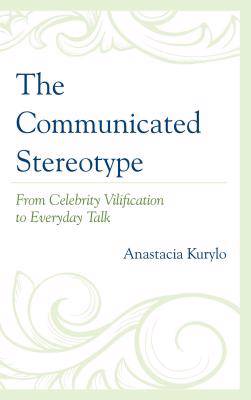
The Communicated Stereotype
From Celebrity Vilification to Everyday Talk
Anastacia Kurylo
Paperback | Engels
€ 93,45
+ 186 punten
Omschrijving
The Communicated Stereotype: From Celebrity Vilification to Everyday Talk argues that a consequential interactional dilemma is enacted when people communicate stereotypes in everyday talk. The interactional dilemma is a result of the tension between a political correctness movement that prescribes against the communication of stereotypes and the benefits gained from communicating these in conversation. Despite the punishment and shame that befalls celebrities who communicate stereotypes, people continue to communicate stereotypes in everyday conversation often evoking little if any outrage. The Communicated Stereotype advances previous theory and research related to group categorization, stereotype maintenance and functional, discourse analytic, and critical approaches by demonstrating the process whereby the vilification of celebrities diverts attention from the everyday communication of stereotypes and emboldens people to communicate stereotypes without self-criticism. The way this interactional dilemma is handled in conversation helps to explain why stereotypes are maintained over time within a culture despite deterrents intended to dissuade people from using them. An appreciation of stereotypes as poor communication choices provides the potential for the reduction of stereotype use.
Specificaties
Betrokkenen
- Auteur(s):
- Uitgeverij:
Inhoud
- Aantal bladzijden:
- 126
- Taal:
- Engels
Eigenschappen
- Productcode (EAN):
- 9781498511056
- Verschijningsdatum:
- 26/02/2015
- Uitvoering:
- Paperback
- Formaat:
- Trade paperback (VS)
- Afmetingen:
- 164 mm x 224 mm
- Gewicht:
- 204 g


Alleen bij Standaard Boekhandel
+ 186 punten op je klantenkaart van Standaard Boekhandel
Cadeau

AANGERADEN


Beoordelingen
We publiceren alleen reviews die voldoen aan de voorwaarden voor reviews. Bekijk onze voorwaarden voor reviews.