


- Afhalen na 1 uur in een winkel met voorraad
- Gratis thuislevering in België vanaf € 30
- Ruim aanbod met 7 miljoen producten
- Afhalen na 1 uur in een winkel met voorraad
- Gratis thuislevering in België vanaf € 30
- Ruim aanbod met 7 miljoen producten





€ 64,95
+ 129 punten
Uitvoering
Omschrijving
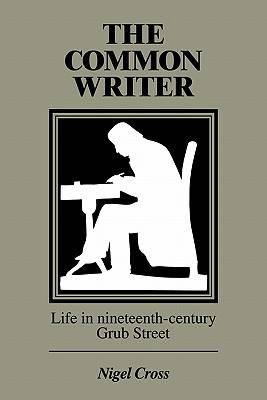
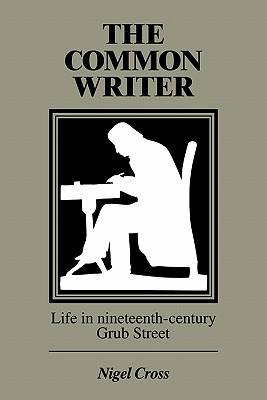
This book examines the conditions of authorship and the development of publishing and journalism during the nineteenth century. It provides a detailed account on the social, cultural, and economic factors that control literary activity, and determine literary success or failure. There are chapters on the place of women and working-class writers in a predominantly male, middle-class publishing industry; on literary clubs, societies, and feuds; on patronage, charity, and state support for writers; on literary journalists and the development of the bohemian character; on the facts that inspired the fictional world of Thackeray's Pendennis and Gissing's New Grub Street; and on the long-running debates on the status of writers and the state of literature. Drawing on a wide range of contemporary sources, The Common Writer adds substantially to our understanding of nineteenth-century literary history and culture.
Specificaties
Betrokkenen
- Auteur(s):
- Uitgeverij:
Inhoud
- Aantal bladzijden:
- 272
- Taal:
- Engels
Eigenschappen
- Productcode (EAN):
- 9780521357210
- Verschijningsdatum:
- 9/06/1988
- Uitvoering:
- Paperback
- Formaat:
- Trade paperback (VS)
- Afmetingen:
- 152 mm x 229 mm
- Gewicht:
- 403 g


Alleen bij Standaard Boekhandel
+ 129 punten op je klantenkaart van Standaard Boekhandel

Beoordelingen
We publiceren alleen reviews die voldoen aan de voorwaarden voor reviews. Bekijk onze voorwaarden voor reviews.