


- Afhalen na 1 uur in een winkel met voorraad
- Gratis thuislevering in België vanaf € 30
- Ruim aanbod met 7 miljoen producten
- Afhalen na 1 uur in een winkel met voorraad
- Gratis thuislevering in België vanaf € 30
- Ruim aanbod met 7 miljoen producten


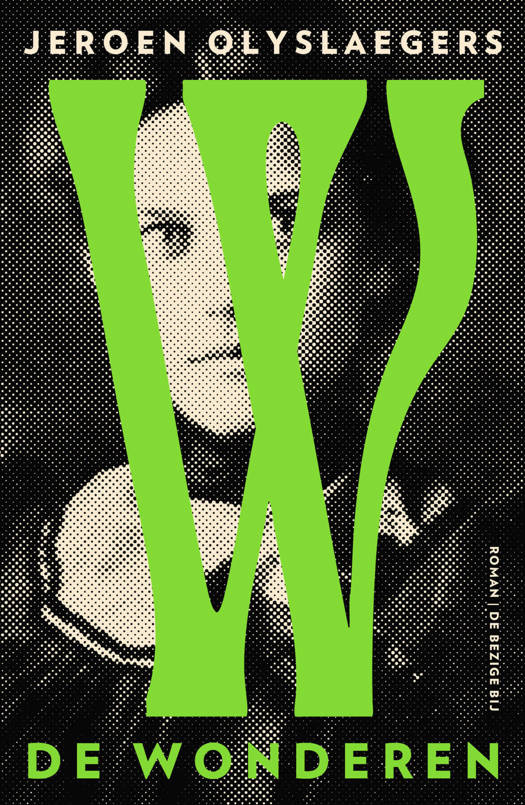


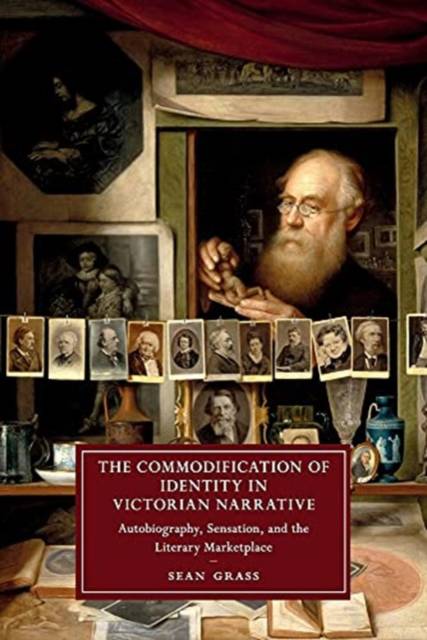
The Commodification of Identity in Victorian Narrative
Autobiography, Sensation, and the Literary Marketplace
Sean Grass
€ 64,95
+ 129 punten
Uitvoering
Omschrijving
In the first half of the nineteenth century autobiography became, for the first time, an explicitly commercial genre. Drawing together quantitative data on the Victorian book market, insights from the business ledgers of Victorian publishers and close readings of mid-century novels, Sean Grass demonstrates the close links between these genres and broader Victorian textual and material cultures. This book offers fresh perspectives on major works by Charles Dickens, George Eliot, Mary Elizabeth Braddon, Wilkie Collins and Charles Reade, while also featuring archival research that reveals the volume, diversity, and marketability of Victorian autobiographical texts for the first time. Grass presents life-writing not as a stand-alone genre, but as an integral part of a broader movement of literary, cultural, legal and economic practices through which the Victorians transformed identity into a textual object of capitalist exchange.
Specificaties
Betrokkenen
- Auteur(s):
- Uitgeverij:
Inhoud
- Aantal bladzijden:
- 300
- Taal:
- Engels
- Reeks:
- Reeksnummer:
- nr. 121
Eigenschappen
- Productcode (EAN):
- 9781108706209
- Verschijningsdatum:
- 30/09/2021
- Uitvoering:
- Paperback
- Formaat:
- Trade paperback (VS)
- Afmetingen:
- 152 mm x 229 mm
- Gewicht:
- 403 g


Alleen bij Standaard Boekhandel
+ 129 punten op je klantenkaart van Standaard Boekhandel
CADEAU


Beoordelingen
We publiceren alleen reviews die voldoen aan de voorwaarden voor reviews. Bekijk onze voorwaarden voor reviews.