


- Afhalen na 1 uur in een winkel met voorraad
- Gratis thuislevering in België vanaf € 30
- Ruim aanbod met 7 miljoen producten
- Afhalen na 1 uur in een winkel met voorraad
- Gratis thuislevering in België vanaf € 30
- Ruim aanbod met 7 miljoen producten





Omschrijving
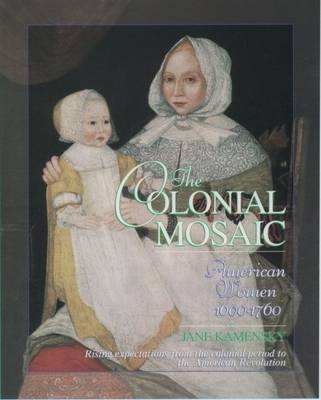
Colonial "women's work" was hard, physical labor. In the South, the urgency of farming crops for export stretched a woman's workday from sunrise to sunset. It was not much different in New England, though the goal was more often to maintain the family and set aside enough to get through the harsh winter. In the 17th and early 18th century, nearly endless toil marked the lives of the majority of American women, regardless of their region, color, or status. Most women in the colonies, enslaved and free, were farm wives, giving birth to children and working hard to raise them. Yet, as Jane Kamensky shows in this volume, some women entered this era with rising expectations. They were marrying whom and when they chose, or choosing to remain unmarried. They were fleeing cruel masters in search of a better life. Women's voices were heard, though not all in the same tones or claiming the same rights. During these years women such as Anne Hutchinson had to leave Massachusetts when she tried to claim a public role for herself in the Puritan church; Abigail Smith Adams encouraged her husband John Adams to "Remember the Ladies" in the country's new code of laws; the African-American poet Phillis Wheatley published stirring patriotic poems; and Deborah Read Franklin ran Ben Franklin's stationery store when he was away (which was most of the time). These women were not feminists by today's definition, but they began a tradition of persistence and loyalty that has served women well into the 20th century.
Specificaties
Betrokkenen
- Auteur(s):
- Uitgeverij:
Inhoud
- Aantal bladzijden:
- 160
- Taal:
- Engels
- Reeks:
- Reeksnummer:
- nr. 2
Eigenschappen
- Productcode (EAN):
- 9780195124002
- Verschijningsdatum:
- 26/03/1998
- Uitvoering:
- Paperback
- Formaat:
- Trade paperback (VS)
- Afmetingen:
- 191 mm x 237 mm
- Gewicht:
- 322 g


Alleen bij Standaard Boekhandel
+ 35 punten op je klantenkaart van Standaard Boekhandel
Cadeau

AANGERADEN


Beoordelingen
We publiceren alleen reviews die voldoen aan de voorwaarden voor reviews. Bekijk onze voorwaarden voor reviews.