


- Afhalen na 1 uur in een winkel met voorraad
- Gratis thuislevering in België vanaf € 30
- Ruim aanbod met 7 miljoen producten
- Afhalen na 1 uur in een winkel met voorraad
- Gratis thuislevering in België vanaf € 30
- Ruim aanbod met 7 miljoen producten





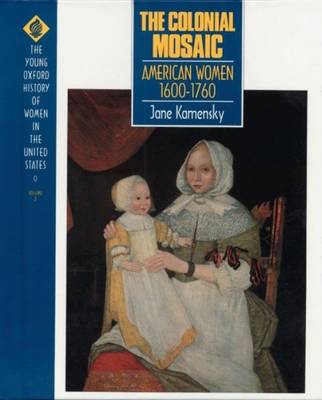
Omschrijving
The story of colonial settlement is often told as if men were the only actors, but women--as wives, agricultural workers, domestic servants, members of religious congregations, community builders, and mothers of a new generation--were crucial to European settlements just as women in Native American groups were to theirs.
Colonial "women's work" was hard, physical labor. In the South, the urgency of farming crops for export stretched a woman's workday from sunrise to sunset (and beyond). It was not much different in New England, though the goal was more often to maintain the family and set aside enough to get through the harsh winter. In the 17th and early 18th century, nearly endless toil marked the lives of the majority of American women, regardless of their region, color, or status.
Life for women and men began to change in the late 17th century as slavery became an accepted economic solution. For the planter's wife, it meant a life of increased ease. For the thousands of black women who were brought to the colonies in chains, the exact opposite was true. In the North, cities such as New York, Boston, and Philadelphia saw thousands of new immigrants living side by side with Anglo Americans, enslaved African Americans, and a growing free black community. It was here that so-called "she merchants" began to be a factor in growing professions such as newspaper printing, forging new paths for themselves and helping to fuel booming urban economies.
But most women in the colonies, enslaved and free, were farm wives; giving birth to child after child, spending all their waking hours doing backbreaking work. Yet, some women entered the era of the revolution with rising expectations. They were marrying whom and when they chose, or choosing to remain unmarried. They were seeking divorces when their marriages became unbearable. They were not only listening to revival preaching, but delivering God's message themselves. They were fleeing cruel masters in search of a better life.
The Colonial Mosaic finds that women's voices were heard, though not all in the same tones or claiming the same rights. But they spoke nonetheless, to whomever would listen: to their husbands, to male leaders in their churches and towns, and especially to each other. They were not feminists by today's definition, but they began a tradition of persistence and loyalty that has served women well into the 20th century.
Colonial "women's work" was hard, physical labor. In the South, the urgency of farming crops for export stretched a woman's workday from sunrise to sunset (and beyond). It was not much different in New England, though the goal was more often to maintain the family and set aside enough to get through the harsh winter. In the 17th and early 18th century, nearly endless toil marked the lives of the majority of American women, regardless of their region, color, or status.
Life for women and men began to change in the late 17th century as slavery became an accepted economic solution. For the planter's wife, it meant a life of increased ease. For the thousands of black women who were brought to the colonies in chains, the exact opposite was true. In the North, cities such as New York, Boston, and Philadelphia saw thousands of new immigrants living side by side with Anglo Americans, enslaved African Americans, and a growing free black community. It was here that so-called "she merchants" began to be a factor in growing professions such as newspaper printing, forging new paths for themselves and helping to fuel booming urban economies.
But most women in the colonies, enslaved and free, were farm wives; giving birth to child after child, spending all their waking hours doing backbreaking work. Yet, some women entered the era of the revolution with rising expectations. They were marrying whom and when they chose, or choosing to remain unmarried. They were seeking divorces when their marriages became unbearable. They were not only listening to revival preaching, but delivering God's message themselves. They were fleeing cruel masters in search of a better life.
The Colonial Mosaic finds that women's voices were heard, though not all in the same tones or claiming the same rights. But they spoke nonetheless, to whomever would listen: to their husbands, to male leaders in their churches and towns, and especially to each other. They were not feminists by today's definition, but they began a tradition of persistence and loyalty that has served women well into the 20th century.
Specificaties
Betrokkenen
- Auteur(s):
- Uitgeverij:
Inhoud
- Aantal bladzijden:
- 160
- Taal:
- Engels
- Reeks:
- Reeksnummer:
- nr. 2
Eigenschappen
- Productcode (EAN):
- 9780195080155
- Verschijningsdatum:
- 15/06/1995
- Uitvoering:
- Hardcover
- Formaat:
- Genaaid
- Afmetingen:
- 199 mm x 243 mm
- Gewicht:
- 544 g


Alleen bij Standaard Boekhandel
+ 84 punten op je klantenkaart van Standaard Boekhandel
Cadeau

AANGERADEN


Beoordelingen
We publiceren alleen reviews die voldoen aan de voorwaarden voor reviews. Bekijk onze voorwaarden voor reviews.