


- Afhalen na 1 uur in een winkel met voorraad
- Gratis thuislevering in België vanaf € 30
- Ruim aanbod met 7 miljoen producten
- Afhalen na 1 uur in een winkel met voorraad
- Gratis thuislevering in België vanaf € 30
- Ruim aanbod met 7 miljoen producten





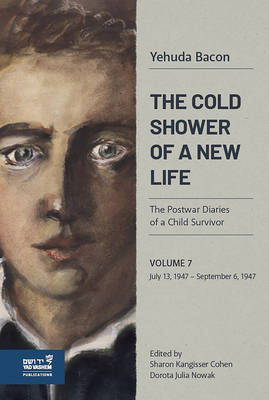
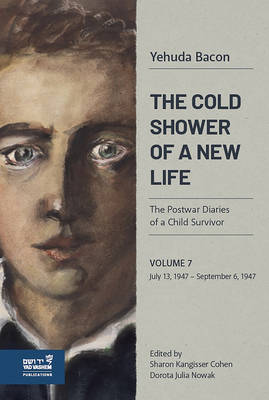
The Cold Shower of a New Life
The Postwar Diaries of a Child Survivor. Vol. 7 - July 13, 1947-September 5, 1947
Yehuda Bacon
€ 44,45
+ 88 punten
Omschrijving
A touching personal diary of a young artist retuning to life after the Holocaust.
These notebooks tell the story of a young survivor exploring his emotional and physical challenges after intense suffering, while discovering his strengths and abilities as he builds a life after the Holocaust. The writings reflect the author's inner dialogue regarding the meaning of his existence, and his conversations, real and imagined, with his lost loved ones, contemporaries, and former fellow camp inmates with whom he shared his darkest hours. In this seventh volume of the series, which includes notebooks 13 and 14, written between July and September 1947, his early years in Eretz Israel (Mandatory Palestine) are reflected. The entries cover his summer vacation, beginning with a stay in Tel Aviv--marked by discomfort with the climate, strained family relations, and criticism of materialism--and continuing with travels to kibbutzim, where he found comfort in nature and human connection.
Back in Jerusalem, Bacon describes depressive episodes, financial difficulties, and self-doubt about his artistic development. These notebooks also reveal a deeper awareness of the long-term psychological effects of his Holocaust experiences. He uses the metaphor of a broken violin string to convey the emotional numbness and disconnection he feels. While political unrest in Eretz Israel during 1947 is occasionally mentioned, it is described in a restrained and factual tone.
These notebooks tell the story of a young survivor exploring his emotional and physical challenges after intense suffering, while discovering his strengths and abilities as he builds a life after the Holocaust. The writings reflect the author's inner dialogue regarding the meaning of his existence, and his conversations, real and imagined, with his lost loved ones, contemporaries, and former fellow camp inmates with whom he shared his darkest hours. In this seventh volume of the series, which includes notebooks 13 and 14, written between July and September 1947, his early years in Eretz Israel (Mandatory Palestine) are reflected. The entries cover his summer vacation, beginning with a stay in Tel Aviv--marked by discomfort with the climate, strained family relations, and criticism of materialism--and continuing with travels to kibbutzim, where he found comfort in nature and human connection.
Back in Jerusalem, Bacon describes depressive episodes, financial difficulties, and self-doubt about his artistic development. These notebooks also reveal a deeper awareness of the long-term psychological effects of his Holocaust experiences. He uses the metaphor of a broken violin string to convey the emotional numbness and disconnection he feels. While political unrest in Eretz Israel during 1947 is occasionally mentioned, it is described in a restrained and factual tone.
Specificaties
Betrokkenen
- Auteur(s):
- Uitgeverij:
Inhoud
- Aantal bladzijden:
- 200
- Taal:
- Engels
- Reeks:
- Reeksnummer:
- nr. 7
Eigenschappen
- Productcode (EAN):
- 9789653087187
- Verschijningsdatum:
- 1/03/2026
- Uitvoering:
- Hardcover
- Formaat:
- Genaaid
- Afmetingen:
- 152 mm x 229 mm


Alleen bij Standaard Boekhandel
+ 88 punten op je klantenkaart van Standaard Boekhandel
Cadeau

AANGERADEN


Beoordelingen
We publiceren alleen reviews die voldoen aan de voorwaarden voor reviews. Bekijk onze voorwaarden voor reviews.