


- Afhalen na 1 uur in een winkel met voorraad
- Gratis thuislevering in België vanaf € 30
- Ruim aanbod met 7 miljoen producten
- Afhalen na 1 uur in een winkel met voorraad
- Gratis thuislevering in België vanaf € 30
- Ruim aanbod met 7 miljoen producten





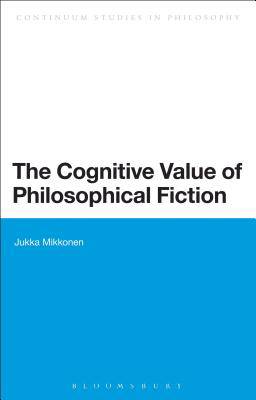
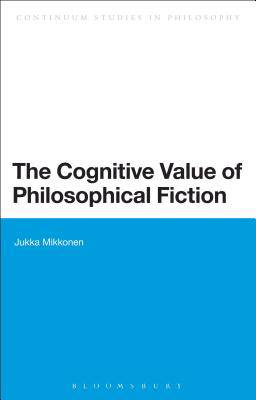
The Cognitive Value of Philosophical Fiction
Jukka Mikkonen
€ 89,95
+ 179 punten
Omschrijving
Can literary fictions convey significant philosophical views, understood in terms of propositional knowledge? This study addresses the philosophical value of literature by examining how literary works impart philosophy truth and knowledge and to what extent the works should be approached as communications of their authors.
Beginning with theories of fiction, it examines the case against the prevailing 'pretence' and 'make-believe' theories of fiction hostile to propositional theories of literary truth. Tackling further arguments against the cognitive function and value of literature, this study illustrates how literary works can contribute to knowledge by making assertions and suggestions and by providing hypotheses for the reader to assess. Through clear analysis of the concept of the author, the role of the authorial intention and the different approaches to the 'meaning' of a literary work, this study provides an historical survey to the cognitivist-anti-cognitivist dispute, introducing contemporary trends in the discussion before presenting a novel approach to recognizing the cognitive function of literature. An important contribution to philosophical studies of literature and knowledge.Specificaties
Betrokkenen
- Auteur(s):
- Uitgeverij:
Inhoud
- Aantal bladzijden:
- 240
- Taal:
- Engels
- Reeks:
Eigenschappen
- Productcode (EAN):
- 9781472579669
- Verschijningsdatum:
- 17/07/2014
- Uitvoering:
- Paperback
- Formaat:
- Trade paperback (VS)
- Afmetingen:
- 156 mm x 234 mm
- Gewicht:
- 340 g


Alleen bij Standaard Boekhandel
+ 179 punten op je klantenkaart van Standaard Boekhandel
Cadeau

AANGERADEN


Beoordelingen
We publiceren alleen reviews die voldoen aan de voorwaarden voor reviews. Bekijk onze voorwaarden voor reviews.