


- Afhalen na 1 uur in een winkel met voorraad
- Gratis thuislevering in België vanaf € 30
- Ruim aanbod met 7 miljoen producten
- Afhalen na 1 uur in een winkel met voorraad
- Gratis thuislevering in België vanaf € 30
- Ruim aanbod met 7 miljoen producten





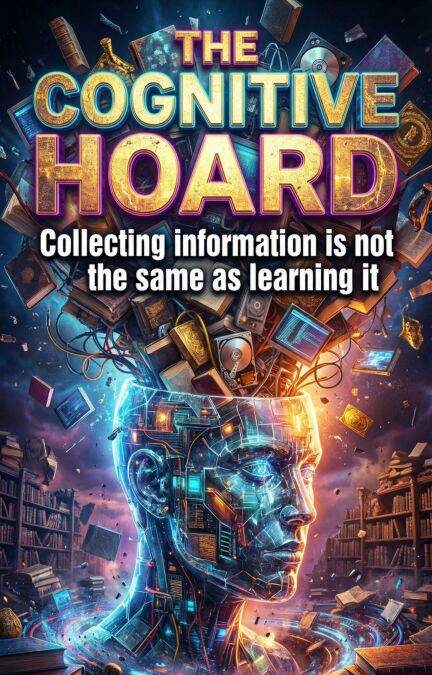
The Cognitive Hoard E-BOOK
Collecting information is not the same as learning it
James Reed
E-book | Engels
€ 4,99
+ 4 punten
Omschrijving
"The Cognitive Hoard – Collecting information is not the same as learning it" addresses the modern addiction to saving articles, buying books, and bookmarking videos that we never consume. This is "digital hoarding," and it creates a false sense of competence. We feel smarter because we have the information, not because we know it.
Author James Reed explains the difference between "Just-in-Case" learning (hoarding) and "Just-in-Time" learning (application). The book provides a system for a "knowledge audit," forcing readers to delete unread backlogs and focus only on information that solves a current problem.
"The Cognitive Hoard" frees the reader from the guilt of the unread pile. It teaches that an empty brain, ready to process, is more valuable than a cluttered hard drive full of potential. It is a guide to intellectual minimalism.
Author James Reed explains the difference between "Just-in-Case" learning (hoarding) and "Just-in-Time" learning (application). The book provides a system for a "knowledge audit," forcing readers to delete unread backlogs and focus only on information that solves a current problem.
"The Cognitive Hoard" frees the reader from the guilt of the unread pile. It teaches that an empty brain, ready to process, is more valuable than a cluttered hard drive full of potential. It is a guide to intellectual minimalism.
Specificaties
Betrokkenen
- Auteur(s):
- Uitgeverij:
Inhoud
- Aantal bladzijden:
- 147
- Taal:
- Engels
Eigenschappen
- Productcode (EAN):
- 9783565193158
- Verschijningsdatum:
- 24/01/2026
- Uitvoering:
- E-book
- Formaat:
- ePub


Alleen bij Standaard Boekhandel
+ 4 punten op je klantenkaart van Standaard Boekhandel

Beoordelingen
We publiceren alleen reviews die voldoen aan de voorwaarden voor reviews. Bekijk onze voorwaarden voor reviews.