


- Afhalen na 1 uur in een winkel met voorraad
- Gratis thuislevering in België vanaf € 30
- Ruim aanbod met 7 miljoen producten
- Afhalen na 1 uur in een winkel met voorraad
- Gratis thuislevering in België vanaf € 30
- Ruim aanbod met 7 miljoen producten





€ 78,95
+ 157 punten
Uitvoering
Omschrijving
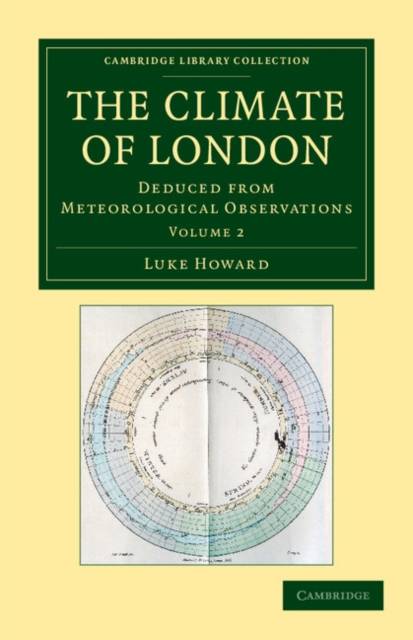
The 'student of clouds' Luke Howard (1772-1864) published this work of statistics on weather conditions in London in two volumes, in 1818 and 1820. Howard was by profession an industrial chemist, but his great interest in meteorology led to his studies on clouds (also reissued in this series), and his devising of the system of Latin cloud names which was adopted internationally and is still in use. Volume 2 contains a preface in which Howard discusses the reasons for the order of presentation of his material, which, he disarmingly admits with hindsight, might have been improved. The tabular material in this volume, supplied with notes and commentary citing published reports from around Europe, comes from observations made at Tottenham in the period 1817-19. This historic material will be of interest to environmental scientists as well as to those interested in the history of meteorology.
Specificaties
Betrokkenen
- Auteur(s):
- Uitgeverij:
Inhoud
- Aantal bladzijden:
- 384
- Taal:
- Engels
- Reeks:
Eigenschappen
- Productcode (EAN):
- 9781108049528
- Verschijningsdatum:
- 10/05/2012
- Uitvoering:
- Paperback
- Formaat:
- Trade paperback (VS)
- Afmetingen:
- 140 mm x 216 mm
- Gewicht:
- 485 g


Alleen bij Standaard Boekhandel
+ 157 punten op je klantenkaart van Standaard Boekhandel
Cadeau

AANGERADEN


Beoordelingen
We publiceren alleen reviews die voldoen aan de voorwaarden voor reviews. Bekijk onze voorwaarden voor reviews.