


- Afhalen na 1 uur in een winkel met voorraad
- Gratis thuislevering in België vanaf € 30
- Ruim aanbod met 7 miljoen producten
- Afhalen na 1 uur in een winkel met voorraad
- Gratis thuislevering in België vanaf € 30
- Ruim aanbod met 7 miljoen producten





€ 0,49
Omschrijving
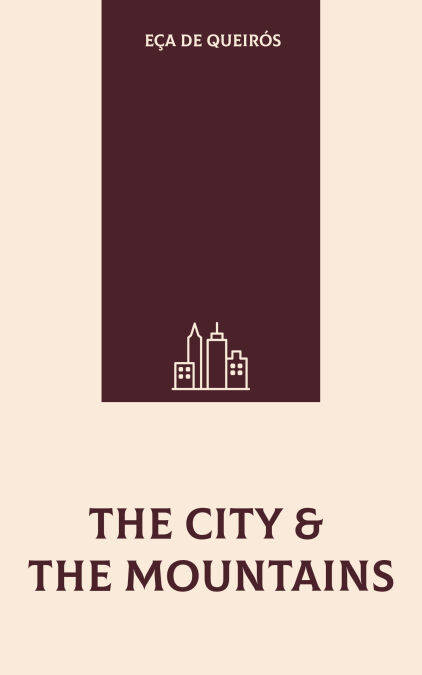
The City & the Mountains is a witty and thought-provoking novel by Eça de Queirós that contrasts the glittering promises of modern urban life with the quiet authenticity of the countryside. Through sharp satire and elegant storytelling, Queirós explores the tension between progress and simplicity, sophistication and sincerity, illusion and truth.
The story follows Jacinto, a wealthy and cultured aristocrat who resides in the heart of Paris, surrounded by every technological innovation and luxury that the modern age can offer. His home is filled with the latest inventions, vast libraries, fine art, and elaborate comforts designed to ensure perfect happiness. Yet despite this abundance, Jacinto finds himself restless, dissatisfied, and spiritually weary. The very progress that was meant to elevate human life begins to feel hollow and overwhelming.
Circumstances draw Jacinto away from the dazzling metropolis to his ancestral estate in the rural mountains of Portugal. There, stripped of the excessive conveniences he once relied upon, he encounters a simpler way of living—one grounded in nature, community, and genuine human connection. As he adapts to country life, Jacinto undergoes a quiet but profound transformation, discovering fulfillment not in accumulation, but in balance and purpose.
Through gentle irony and keen observation, Queirós critiques blind faith in industrial progress while avoiding romantic idealization. Instead, he offers a nuanced reflection on what truly sustains happiness. The novel becomes a meditation on modernity itself—questioning whether technological advancement alone can satisfy the deeper needs of the human spirit.
Rich in humor, cultural insight, and philosophical depth, The City & the Mountains remains remarkably relevant. Its exploration of urban excess and rural renewal speaks to contemporary readers navigating the complexities of fast-paced, technology-driven societies.
Charming, intelligent, and timeless, The City & the Mountains is a masterful exploration of contrast—between noise and silence, excess and sufficiency, ambition and contentment—and a celebration of rediscovering life's essential truths.
The story follows Jacinto, a wealthy and cultured aristocrat who resides in the heart of Paris, surrounded by every technological innovation and luxury that the modern age can offer. His home is filled with the latest inventions, vast libraries, fine art, and elaborate comforts designed to ensure perfect happiness. Yet despite this abundance, Jacinto finds himself restless, dissatisfied, and spiritually weary. The very progress that was meant to elevate human life begins to feel hollow and overwhelming.
Circumstances draw Jacinto away from the dazzling metropolis to his ancestral estate in the rural mountains of Portugal. There, stripped of the excessive conveniences he once relied upon, he encounters a simpler way of living—one grounded in nature, community, and genuine human connection. As he adapts to country life, Jacinto undergoes a quiet but profound transformation, discovering fulfillment not in accumulation, but in balance and purpose.
Through gentle irony and keen observation, Queirós critiques blind faith in industrial progress while avoiding romantic idealization. Instead, he offers a nuanced reflection on what truly sustains happiness. The novel becomes a meditation on modernity itself—questioning whether technological advancement alone can satisfy the deeper needs of the human spirit.
Rich in humor, cultural insight, and philosophical depth, The City & the Mountains remains remarkably relevant. Its exploration of urban excess and rural renewal speaks to contemporary readers navigating the complexities of fast-paced, technology-driven societies.
Charming, intelligent, and timeless, The City & the Mountains is a masterful exploration of contrast—between noise and silence, excess and sufficiency, ambition and contentment—and a celebration of rediscovering life's essential truths.
Specificaties
Betrokkenen
- Auteur(s):
- Uitgeverij:
Inhoud
- Aantal bladzijden:
- 264
- Taal:
- Engels
Eigenschappen
- Productcode (EAN):
- 9787367906206
- Verschijningsdatum:
- 1/03/2026
- Uitvoering:
- E-book
- Beveiligd met:
- Digital watermarking
- Formaat:
- ePub


Alleen bij Standaard Boekhandel
Cadeau

AANGERADEN


Beoordelingen
We publiceren alleen reviews die voldoen aan de voorwaarden voor reviews. Bekijk onze voorwaarden voor reviews.