


- Afhalen na 1 uur in een winkel met voorraad
- Gratis thuislevering in België vanaf € 30
- Ruim aanbod met 7 miljoen producten
- Afhalen na 1 uur in een winkel met voorraad
- Gratis thuislevering in België vanaf € 30
- Ruim aanbod met 7 miljoen producten





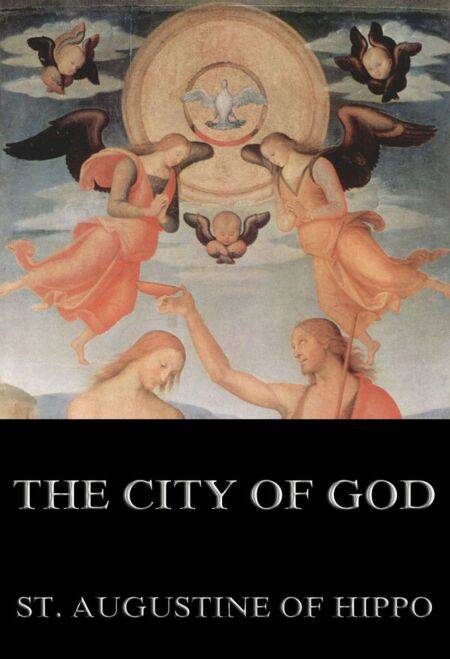
Omschrijving
De Civitate Dei, (full title: De Civitate Dei contra Paganos), translated in English as The City of God, is a book of Christian philosophy written in Latin by Augustine of Hippo in the early 5th century AD. It is one of Augustine's major works, standing alongside his The Confessions, On Christian Doctrine, and On the Trinity. Augustine is considered the most influential Father of the Church in Western Christianity, and The City of God profoundly shaped Western civilization. Augustine wrote the treatise to explain Christianity's relationship with competing religions and philosophies, as well as its relationship with the Roman government, with which it was increasingly intertwined. It was written soon after Rome was sacked by the Visigoths in 410. This event left Romans in a deep state of shock, and many saw it as punishment for abandoning traditional Roman religion for Catholic Christianity. It was in this atmosphere that Augustine set out to console Christians, writing that, even if the earthly rule of the Empire was imperiled, it was the City of God that would ultimately triumph. Augustine's eyes were fixed on Heaven, a theme of many Christian works of Late Antiquity. (from wikipedia.com)
Specificaties
Betrokkenen
- Auteur(s):
- Vertaler(s):
- Uitgeverij:
Inhoud
- Aantal bladzijden:
- 1048
- Taal:
- Engels
Eigenschappen
- Productcode (EAN):
- 9783849621131
- Verschijningsdatum:
- 20/07/2012
- Uitvoering:
- E-book
- Beveiligd met:
- Digital watermarking
- Formaat:
- ePub


Alleen bij Standaard Boekhandel
+ 1 punten op je klantenkaart van Standaard Boekhandel
Cadeau

AANGERADEN


Beoordelingen
We publiceren alleen reviews die voldoen aan de voorwaarden voor reviews. Bekijk onze voorwaarden voor reviews.