


- Afhalen na 1 uur in een winkel met voorraad
- Gratis thuislevering in België vanaf € 30
- Ruim aanbod met 7 miljoen producten
- Afhalen na 1 uur in een winkel met voorraad
- Gratis thuislevering in België vanaf € 30
- Ruim aanbod met 7 miljoen producten





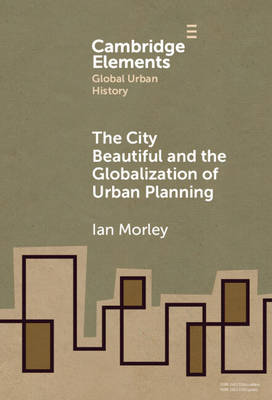
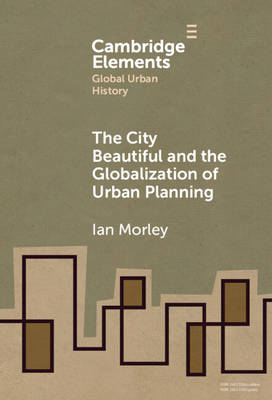
The City Beautiful and the Globalization of Urban Planning
Ian Morley
€ 124,45
+ 248 punten
Uitvoering
Omschrijving
During the past one hundred or so years, urbanists have composed grand narratives regarding the development of urban design and the international dissemination of planning models. Yet, building upon this historiography, whilst the transnational dimension of modern city planning has centred itself upon the diffusion of the British garden city, far less attention has been put upon the global reach of the American City Beautiful. Owing to the ethnocentricity of American planning history literature, thus, the chronicle of the City Beautiful has anchored itself, literally and figuratively, to the North American continent. Yet, in truth, grand American-inspired plans were implemented throughout the world; indeed, they were carried out long after the City Beautiful's popularity had waned in North America, and they were executed under a variety of cultural and political conditions.
Specificaties
Betrokkenen
- Auteur(s):
- Uitgeverij:
Inhoud
- Aantal bladzijden:
- 98
- Taal:
- Engels
- Reeks:
Eigenschappen
- Productcode (EAN):
- 9781009598767
- Verschijningsdatum:
- 30/01/2025
- Uitvoering:
- Hardcover
- Formaat:
- Genaaid
- Afmetingen:
- 152 mm x 229 mm
- Gewicht:
- 303 g


Alleen bij Standaard Boekhandel
+ 248 punten op je klantenkaart van Standaard Boekhandel
Cadeau

AANGERADEN


Beoordelingen
We publiceren alleen reviews die voldoen aan de voorwaarden voor reviews. Bekijk onze voorwaarden voor reviews.