


- Afhalen na 1 uur in een winkel met voorraad
- Gratis thuislevering in België vanaf € 30
- Ruim aanbod met 7 miljoen producten
- Afhalen na 1 uur in een winkel met voorraad
- Gratis thuislevering in België vanaf € 30
- Ruim aanbod met 7 miljoen producten





€ 50,95
+ 101 punten
Uitvoering
Omschrijving
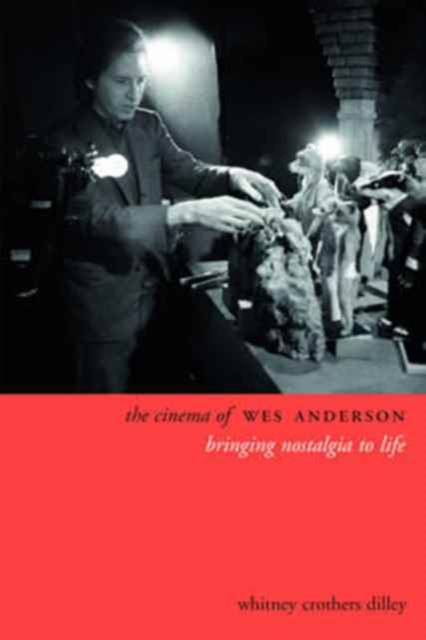
Wes Anderson is considered one of the most important directors of the post-Baby Boom generation, making films such as Rushmore (1998) and The Royal Tenenbaums (2001) in a style so distinctive that his films are often recognizable from a single frame. Through the travelogue The Darjeeling Limited (2007) and the stop-motion animation of Fantastic Mr. Fox (2009), his films examine issues of gender, race, and class through dysfunctional family dynamics, with particular focus on masculinity and male bonding. Anderson's auteur status is enriched by his fascination with Truffaut and the French New Wave, as well as his authorship of every one of his screenplays, drawing on influences as diverse as Mark Twain, J. D. Salinger, Roald Dahl, and Stefan Zweig. Works such as Moonrise Kingdom (2012) and The Grand Budapest Hotel (2014) continue to fascinate with their postmodern, hyper-nostalgic attention to detail. This book explores the filmic and literary influences that have helped make Anderson a major voice in 21st century "indie" culture, and reveals why Wes Anderson is one of the most inventive filmmakers working in cinema today.
Specificaties
Betrokkenen
- Auteur(s):
- Uitgeverij:
Inhoud
- Aantal bladzijden:
- 224
- Taal:
- Engels
- Reeks:
Eigenschappen
- Productcode (EAN):
- 9780231180696
- Verschijningsdatum:
- 8/08/2017
- Uitvoering:
- Paperback
- Formaat:
- Trade paperback (VS)
- Afmetingen:
- 155 mm x 234 mm
- Gewicht:
- 385 g


Alleen bij Standaard Boekhandel
+ 101 punten op je klantenkaart van Standaard Boekhandel
Cadeau

AANGERADEN


Beoordelingen
We publiceren alleen reviews die voldoen aan de voorwaarden voor reviews. Bekijk onze voorwaarden voor reviews.