


- Afhalen na 1 uur in een winkel met voorraad
- Gratis thuislevering in België vanaf € 30
- Ruim aanbod met 7 miljoen producten
- Afhalen na 1 uur in een winkel met voorraad
- Gratis thuislevering in België vanaf € 30
- Ruim aanbod met 7 miljoen producten




€ 169,95
+ 339 punten
Omschrijving
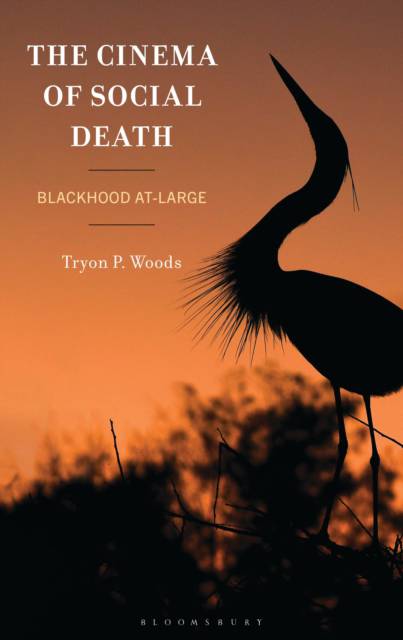
In The Cinema of Social Death: Blackhood At-Large, Tryon P. Woods argues that cinematic counter-narratives to society's deep-seated racist culture, while claiming to advance racial justice, fail to escape the trappings of anti-blackness and instead function to disguise a parasitic and antagonistic relationship toward blackness, rather than expose how the paradigm works.
Through analyses of a selection of purportedly anti-racist narratives from documentarian Liz Garbus and a trio of independent black filmmakers, Tanya Hamilton, Haile Gerima, and Spike Lee, Woods demonstrates the precarious nature of telling stories of racial justice without falling into the contradictory trap of imposing antiblack notions of gender and sexuality. Contrary to the prevalent sentiment that these visual narratives disrupt and unravel the suffering, lack, and pathology attached to blackness, Woods posits that the films being examined are detrimental to black liberation, and thus, to human deliverance.
Specificaties
Betrokkenen
- Auteur(s):
- Uitgeverij:
Inhoud
- Aantal bladzijden:
- 176
- Taal:
- Engels
- Reeks:
Eigenschappen
- Productcode (EAN):
- 9781666976588
- Verschijningsdatum:
- 11/12/2025
- Uitvoering:
- Hardcover
- Formaat:
- Genaaid
- Afmetingen:
- 152 mm x 229 mm
- Gewicht:
- 399 g



Alleen bij Standaard Boekhandel
+ 339 punten op je klantenkaart van Standaard Boekhandel
CADEAU

AANGERADEN


Beoordelingen
We publiceren alleen reviews die voldoen aan de voorwaarden voor reviews. Bekijk onze voorwaarden voor reviews.