


- Afhalen na 1 uur in een winkel met voorraad
- Gratis thuislevering in België vanaf € 30
- Ruim aanbod met 7 miljoen producten
- Afhalen na 1 uur in een winkel met voorraad
- Gratis thuislevering in België vanaf € 30
- Ruim aanbod met 7 miljoen producten





€ 42,95
+ 85 punten
Uitvoering
Omschrijving
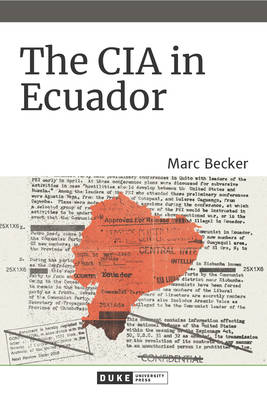
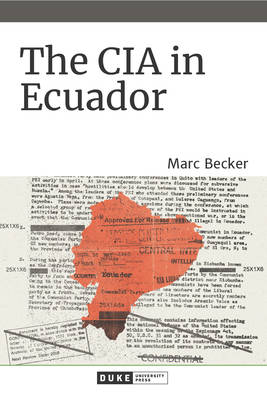
In The CIA in Ecuador Marc Becker draws on recently released US government surveillance documents on the Ecuadorian left to chart social movement organizing efforts during the 1950s. Emphasizing the competing roles of the domestic ruling class and grassroots social movements, Becker details the struggles and difficulties that activists, organizers, and political parties confronted. He shows how leftist groups, including the Communist Party of Ecuador, navigated disagreements over tactics and ideology, and how these influenced shifting strategies in support of rural Indigenous communities and urban labor movements. He outlines the CIA's failure to understand that the Ecuadorian left was rooted in local social struggles rather than bankrolled by the Soviet Union. By decentering US-Soviet power struggles, Becker shows that the local patterns and dynamics that shaped the development of the Ecuadorian left could be found throughout Latin America during the cold war.
Specificaties
Betrokkenen
- Auteur(s):
- Uitgeverij:
Inhoud
- Aantal bladzijden:
- 336
- Taal:
- Engels
- Reeks:
Eigenschappen
- Productcode (EAN):
- 9781478011385
- Verschijningsdatum:
- 15/01/2021
- Uitvoering:
- Paperback
- Formaat:
- Trade paperback (VS)
- Afmetingen:
- 152 mm x 229 mm
- Gewicht:
- 680 g


Alleen bij Standaard Boekhandel
+ 85 punten op je klantenkaart van Standaard Boekhandel
Cadeau

AANGERADEN


Beoordelingen
We publiceren alleen reviews die voldoen aan de voorwaarden voor reviews. Bekijk onze voorwaarden voor reviews.