



- Afhalen na 1 uur in een winkel met voorraad
- In januari gratis thuislevering in België
- Ruim aanbod met 7 miljoen producten
- Afhalen na 1 uur in een winkel met voorraad
- In januari gratis thuislevering in België
- Ruim aanbod met 7 miljoen producten





€ 28,45
+ 56 punten
Uitvoering
Omschrijving
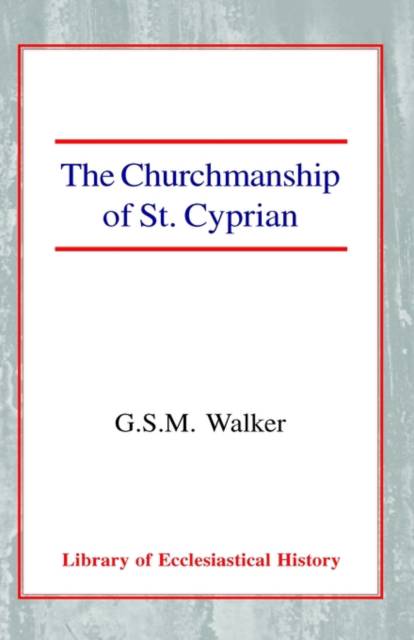
The authority of Cyprian's name was such that all parties at the time of the Reformation found evidence sufficient to claim him among the creators of their particular heritage. The author shows how the complexity of his ecclesiology enabled this apparent paradox, and the book offers a useful guide both to Cyprian's thought and to its influence on later writers. Earlier chapters deal with the North African background; the place of St. Peter among the Apostles and of Rome among the Churches; the collegiality of bishops, the authority of councils and other related topics. The latter part of the book covers the way in which Cyprian's writings and reputation were used at the time of the Reformation.
Specificaties
Betrokkenen
- Auteur(s):
- Uitgeverij:
Inhoud
- Aantal bladzijden:
- 108
- Taal:
- Engels
- Reeks:
Eigenschappen
- Productcode (EAN):
- 9780227171615
- Verschijningsdatum:
- 23/01/2003
- Uitvoering:
- Paperback
- Formaat:
- Trade paperback (VS)
- Afmetingen:
- 140 mm x 216 mm
- Gewicht:
- 145 g


Alleen bij Standaard Boekhandel
+ 56 punten op je klantenkaart van Standaard Boekhandel
Cadeau

AANGERADEN


Beoordelingen
We publiceren alleen reviews die voldoen aan de voorwaarden voor reviews. Bekijk onze voorwaarden voor reviews.