


- Afhalen na 1 uur in een winkel met voorraad
- Gratis thuislevering in België vanaf € 30
- Ruim aanbod met 7 miljoen producten
- Afhalen na 1 uur in een winkel met voorraad
- Gratis thuislevering in België vanaf € 30
- Ruim aanbod met 7 miljoen producten





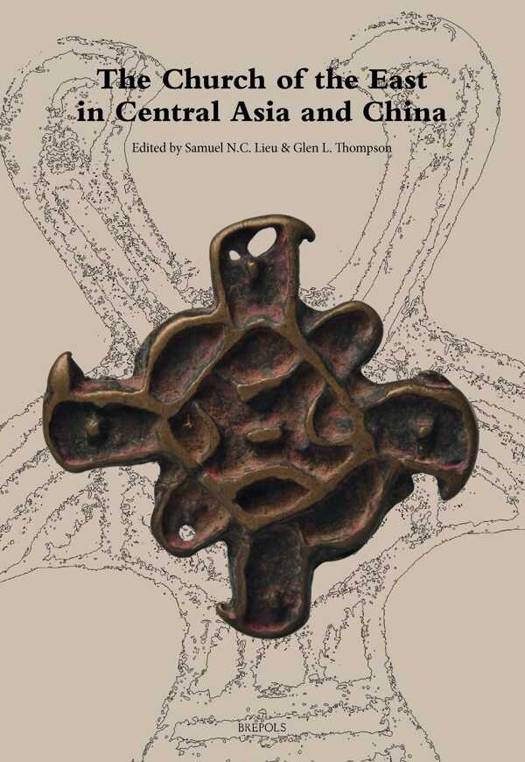
The Church of the East in Central Asia and China
Samuel N.C. Lieu
€ 79,50
+ 159 punten
Omschrijving
The diffusion of Christianity along the Silk Road from Iraq and Iran to China in the premodern era has attracted scholarly attention in the West since the discovery of the famous Xian (Nestorian) Monument c. 1623. This initial discovery was dismissed as a Jesuit forgery by Voltaire, Edward Gibbon and many other scholars of the Enlightenment. However, its authenticity has been more than vindicated by the discovery of genuine (Nestorian / Jingjiao) Christian texts in Chinese from Dunhuang and in Syriac, Sogdian and Old Turkish from Turfan (Bulayq) at the beginning of the last century. Besides confirming the existence of a Tang era Chinese Christian church (Jingjiao), additional archaeological and literary evidence has accumulated of a Christian presence in China during the later Song and Yuan periods (Yelikewenjiao). These churches were the subject of a conference of international specialists in Hong Kong in 2015. The current volume of eleven articles has grown out of the papers presented there.
Specificaties
Betrokkenen
- Auteur(s):
- Uitgeverij:
Inhoud
- Aantal bladzijden:
- 260
- Taal:
- Engels
- Reeks:
- Reeksnummer:
- nr. 1
Eigenschappen
- Productcode (EAN):
- 9782503586649
- Verschijningsdatum:
- 28/01/2021
- Uitvoering:
- Hardcover
- Formaat:
- Genaaid
- Gewicht:
- 158 g


Alleen bij Standaard Boekhandel
+ 159 punten op je klantenkaart van Standaard Boekhandel
Cadeau

AANGERADEN


Beoordelingen
We publiceren alleen reviews die voldoen aan de voorwaarden voor reviews. Bekijk onze voorwaarden voor reviews.