


- Afhalen na 1 uur in een winkel met voorraad
- Gratis thuislevering in België vanaf € 30
- Ruim aanbod met 7 miljoen producten
- Afhalen na 1 uur in een winkel met voorraad
- Gratis thuislevering in België vanaf € 30
- Ruim aanbod met 7 miljoen producten





€ 100,70
+ 201 punten
Omschrijving
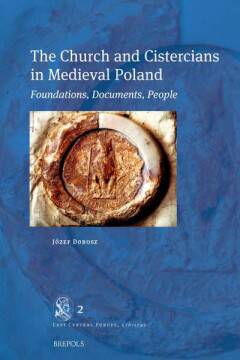
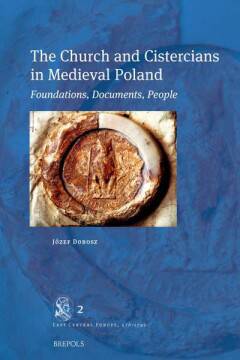
In this volume, the research of Jozef Dobosz, one of Poland's leading historians of the Middle Ages, is made accessible in English for the first time. It brings together nineteen studies focused on the role of the Church, the Cistercian Order, and other religious institutions in the history of the Piast realm from which Poland emerged. The introduction offers a broad outline of the first two centuries of the rule of the Piast dynasty after the Baptism of Poland in 966 until the fragmentation of the Piast patrimony during the twelfth century. The subsequent essays examine the circumstances of the foundation of Poland's leading Cistercian monasteries in Sulejow, Je, drzejow, Wa, chock, Owin'ska, and Lekno. The author analyses the means of their establishment, evaluates the existing sources, and places these within the context of the Piast dynasty's economic, political, and social policies. The studies offer an in-depth analysis of the motivations of the leading dynasts, magnates, and prelates in supporting the mission of the Church in Poland and enabling further embedding of Christianity across all strata of the society. The author examines the oldest Polish documents related to Cistercian monasteries and canons regular (in particular foundation charters) including early medieval charter forgeries. The volume's key conclusions about the impact of Christianity on nascent Poland are based on a detailed examination of medieval charters, the role of scriptoria, identities of significant people of the Church, and the wider historical record.
Specificaties
Betrokkenen
- Auteur(s):
- Uitgeverij:
Inhoud
- Aantal bladzijden:
- 347
- Taal:
- Engels
- Reeks:
- Reeksnummer:
- nr. 2
Eigenschappen
- Productcode (EAN):
- 9782503598024
- Verschijningsdatum:
- 1/06/2023
- Uitvoering:
- Hardcover
- Formaat:
- Genaaid
- Gewicht:
- 426 g


Alleen bij Standaard Boekhandel
+ 201 punten op je klantenkaart van Standaard Boekhandel
Cadeau

AANGERADEN


Beoordelingen
We publiceren alleen reviews die voldoen aan de voorwaarden voor reviews. Bekijk onze voorwaarden voor reviews.