


- Afhalen na 1 uur in een winkel met voorraad
- Gratis thuislevering in België vanaf € 30
- Ruim aanbod met 7 miljoen producten
- Afhalen na 1 uur in een winkel met voorraad
- Gratis thuislevering in België vanaf € 30
- Ruim aanbod met 7 miljoen producten





€ 59,95
+ 119 punten
Uitvoering
Omschrijving
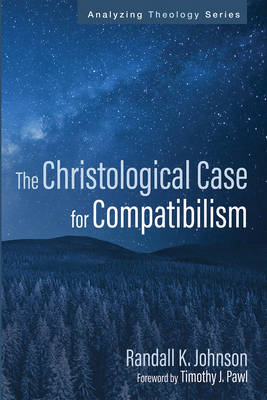
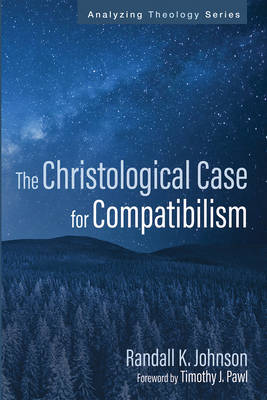
Classical Christology entails compatibilism. In other words, the teaching about Jesus Christ found in Scripture and affirmed in historical orthodoxy entails that free agency and moral responsibility are compatible with determinism. The Christological Case for Compatibilism demonstrates that only compatibilism is able to make sense of Christ's freedom in light of his two natural wills, his righteousness and moral praiseworthiness, and his impeccability. Libertarian models of free agency, which require either the categorical ability to do otherwise or ultimate sourcehood (or both), cannot account for the harmony of Christ's wills. Hard determinism, which undermines free agency and moral responsibility, likewise cannot account for Christ's merit or voluntary obedience. The Christological Case for Compatibilism is a work of analytic theology that draws heavily from biblical and historical theology in conversation with contemporary analytic philosophy.
Specificaties
Betrokkenen
- Auteur(s):
- Uitgeverij:
Inhoud
- Aantal bladzijden:
- 216
- Taal:
- Engels
- Reeks:
Eigenschappen
- Productcode (EAN):
- 9798385227723
- Verschijningsdatum:
- 19/03/2026
- Uitvoering:
- Hardcover
- Formaat:
- Genaaid
- Afmetingen:
- 152 mm x 229 mm
- Gewicht:
- 462 g


Alleen bij Standaard Boekhandel
+ 119 punten op je klantenkaart van Standaard Boekhandel
Cadeau

AANGERADEN


Beoordelingen
We publiceren alleen reviews die voldoen aan de voorwaarden voor reviews. Bekijk onze voorwaarden voor reviews.