


- Afhalen na 1 uur in een winkel met voorraad
- Gratis thuislevering in België vanaf € 30
- Ruim aanbod met 7 miljoen producten
- Afhalen na 1 uur in een winkel met voorraad
- Gratis thuislevering in België vanaf € 30
- Ruim aanbod met 7 miljoen producten





€ 50,95
+ 101 punten
Omschrijving
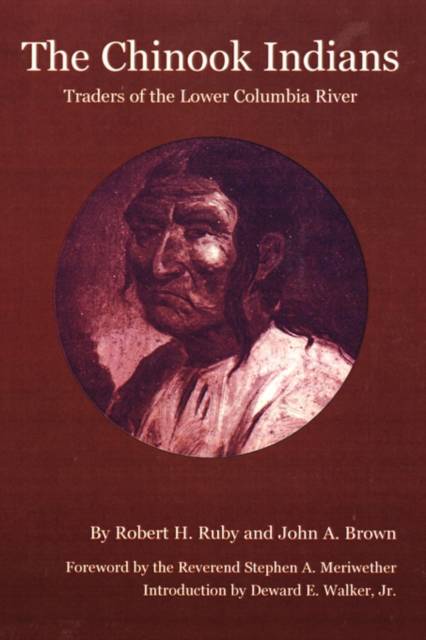
The Chinook Indians, who originally lived at the mouth of the Columbia River in present-day Oregon and Washington, were experienced traders long before the arrival of white men to that area. When Captain Robert Gray in the ship Columbia Rediviva, for which the river was named, entered the Columbia in 1792, he found the Chinooks in an important position in the trade system between inland Indians and those of the Northwest Coast. The system was based on a small seashell, the dentalium, as the principal medium of exchange.
The Chinooks traded in such items as sea otter furs, elkskin armor which could withstand arrows, seagoing canoes hollowed from the trunks of giant trees, and slaves captured from other tribes. Chinook women held equal status with the men in the trade, and in fact the women were preferred as traders by many later ships' captains, who often feared and distrusted the Indian men.
The Chinooks welcomed white men not only for the new trade goods they brought, but also for the new outlets they provided Chinook goods, which reached Vancouver Island and as far north as Alaska. The trade was advantageous for the white men, too, for British and American ships that carried sea otter furs from the Northwest Coast to China often realized enormous profits.
Although the first white men in the trade were seamen, land-based traders set up posts on the Columbia not long after American explorers Lewis and Clark blazed the trail from the United States to the Pacific Northwest in 1805. John Jacob Astor's men founded the first successful white trading post at Fort Astoria, the site of today's Astoria, Oregon, and the North West Company and the Hudson's Bay Company soon followed into the territory.
As more white men moved into the area, the Chinooks began to lose their favored position as middlemen in the trade. Alcohol; new diseases such as smallpox, influenza, and venereal disease; intertribal warfare; and the growing number of white settlers soon led to the near extinction of the Chinooks. By 1&51, when the first treaty was made between them and the United States government, they were living in small, fragmented bands scattered throughout the territory.
Today the Chinook Indians are working to revive their tribal traditions and history and to establish a new tribal economy within the white man's system.
Specificaties
Betrokkenen
- Auteur(s):
- Uitgeverij:
Inhoud
- Aantal bladzijden:
- 372
- Taal:
- Engels
- Reeks:
- Reeksnummer:
- nr. 138
Eigenschappen
- Productcode (EAN):
- 9780806121079
- Verschijningsdatum:
- 15/03/1988
- Uitvoering:
- Paperback
- Formaat:
- Trade paperback (VS)
- Afmetingen:
- 153 mm x 236 mm
- Gewicht:
- 657 g


Alleen bij Standaard Boekhandel
+ 101 punten op je klantenkaart van Standaard Boekhandel
Cadeau

AANGERADEN


Beoordelingen
We publiceren alleen reviews die voldoen aan de voorwaarden voor reviews. Bekijk onze voorwaarden voor reviews.