

- Afhalen na 1 uur in een winkel met voorraad
- Gratis thuislevering in België vanaf € 30
- Ruim aanbod met 7 miljoen producten
- Afhalen na 1 uur in een winkel met voorraad
- Gratis thuislevering in België vanaf € 30
- Ruim aanbod met 7 miljoen producten





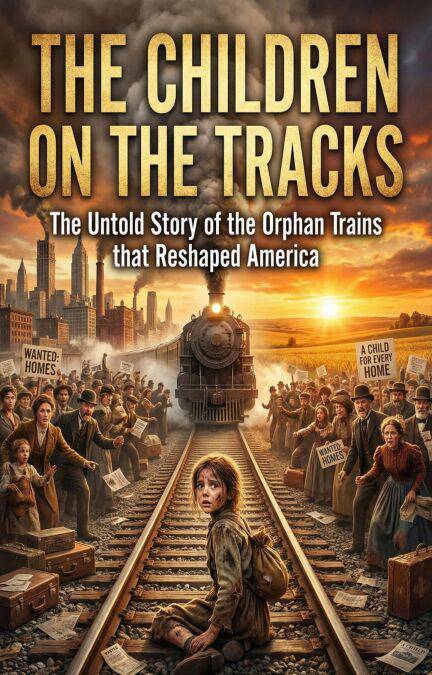
The Children on the Tracks E-BOOK
The Untold Story of the Orphan Trains that Reshaped America
Emily Carter
E-book | Engels
€ 4,99
+ 4 punten
Omschrijving
Between 1854 and 1929, an estimated 250,000 orphaned, abandoned, and homeless children were transported from the teeming slums of New York City to the rural Midwest. Historian Emily Carter chronicles this massive social experiment in "The Children on the Tracks." Orchestrated by Charles Loring Brace and the Children's Aid Society, the goal was benevolent but the methods were brutal.
Carter describes the "placing out" process, where children were displayed on train platforms like livestock, inspected by local farmers looking for free labor rather than a son or daughter. While some found loving homes and became governors or judges, many others faced abuse and servitude.
The book explores the clash of cultures (Catholic urban immigrants vs. Protestant rural farmers) and the legacy of these trains, which laid the foundation for the modern foster care system. It is a heartbreaking and inspiring tapestry of survival, identity, and the search for home in a rapidly expanding nation.
Carter describes the "placing out" process, where children were displayed on train platforms like livestock, inspected by local farmers looking for free labor rather than a son or daughter. While some found loving homes and became governors or judges, many others faced abuse and servitude.
The book explores the clash of cultures (Catholic urban immigrants vs. Protestant rural farmers) and the legacy of these trains, which laid the foundation for the modern foster care system. It is a heartbreaking and inspiring tapestry of survival, identity, and the search for home in a rapidly expanding nation.
Specificaties
Betrokkenen
- Auteur(s):
- Uitgeverij:
Inhoud
- Aantal bladzijden:
- 162
- Taal:
- Engels
Eigenschappen
- Productcode (EAN):
- 9783565221653
- Verschijningsdatum:
- 2/02/2026
- Uitvoering:
- E-book
- Formaat:
- ePub



Alleen bij Standaard Boekhandel
+ 4 punten op je klantenkaart van Standaard Boekhandel
Wedstrijd


Beoordelingen
We publiceren alleen reviews die voldoen aan de voorwaarden voor reviews. Bekijk onze voorwaarden voor reviews.