


- Afhalen na 1 uur in een winkel met voorraad
- Gratis thuislevering in België vanaf € 30
- Ruim aanbod met 7 miljoen producten
- Afhalen na 1 uur in een winkel met voorraad
- Gratis thuislevering in België vanaf € 30
- Ruim aanbod met 7 miljoen producten





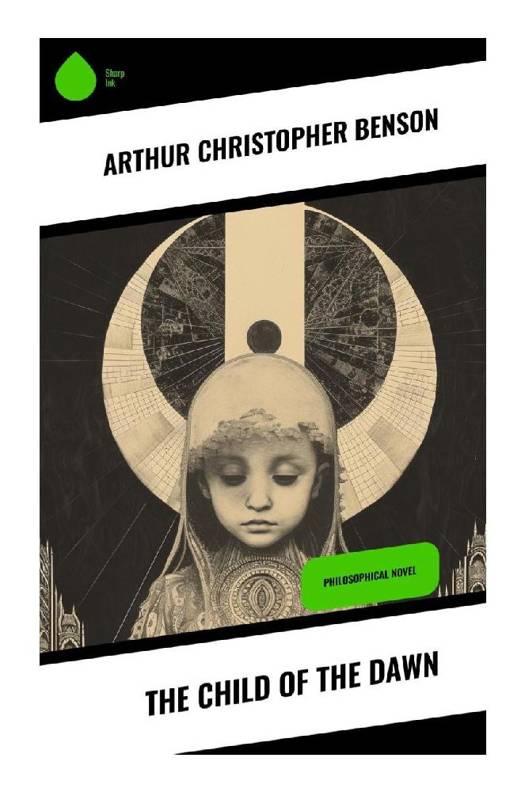
The Child of the Dawn
An Edwardian Spiritual Allegory of the Soul's Journey Through Death, Purification, and Divine Hope
Arthur Christopher Benson
Paperback | Engels
€ 9,95
+ 19 punten
Eenvoudig bestellen
Veilig betalen


Gratis thuislevering vanaf € 30 (via bpost)
Gratis levering in je Standaard Boekhandel
Omschrijving
The Child of the Dawn is a luminous Edwardian allegory of the soul's passage beyond death. Benson imagines a newly awakened spirit moving through landscapes of instruction, wonder, temptation, and purification, guided toward fuller love and divine understanding. Its prose is meditative, musical, and symbolically charged, standing in the tradition of Bunyan, Dantean vision, and late-Victorian spiritual romance rather than conventional narrative realism. Arthur Christopher Benson was exceptionally suited to such a work. Son of Archbishop Edward White Benson, brother of E. F. Benson, Cambridge don, essayist, diarist, and author of the words to "Land of Hope and Glory," he lived amid Anglican intellectual culture while wrestling privately with melancholy, conscience, and faith. His lifelong concern with moral education and inward discipline informs the book's serene but searching theology. This is a book for readers drawn to contemplative fiction, religious allegory, and the literature of spiritual formation. Those expecting plot-driven fantasy may find it quiet; those receptive to visionary prose will discover a graceful meditation on death, growth, and hope.
Specificaties
Betrokkenen
- Auteur(s):
- Uitgeverij:
Inhoud
- Taal:
- Engels
Eigenschappen
- Productcode (EAN):
- 9788028359195
- Uitvoering:
- Paperback
- Afmetingen:
- 152 mm x 229 mm
- Gewicht:
- 176 g


Alleen bij Standaard Boekhandel
+ 19 punten op je klantenkaart van Standaard Boekhandel
CADEAU

AANGERADEN


Beoordelingen
We publiceren alleen reviews die voldoen aan de voorwaarden voor reviews. Bekijk onze voorwaarden voor reviews.