


- Afhalen na 1 uur in een winkel met voorraad
- Gratis thuislevering in België vanaf € 30
- Ruim aanbod met 7 miljoen producten
- Afhalen na 1 uur in een winkel met voorraad
- Gratis thuislevering in België vanaf € 30
- Ruim aanbod met 7 miljoen producten





€ 16,18
+ 16 punten
Eenvoudig bestellen
Veilig betalen


Onmiddellijk geleverd via e-mail
Omschrijving
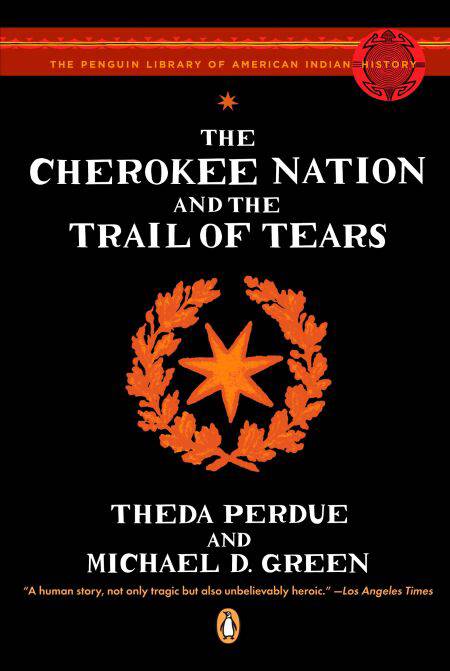
Today, a fraction of the Cherokee people remains in their traditional homeland in the southern Appalachians. Most Cherokees were forcibly relocated to eastern Oklahoma in the early nineteenth century. In 1830 the U.S. government shifted its policy from one of trying to assimilate American Indians to one of relocating them and proceeded to drive seventeen thousand Cherokee people west of the Mississippi.
The Cherokee Nation and the Trail of Tears recounts this moment in American history and considers its impact on the Cherokee, on U.S.-Indian relations, and on contemporary society. Guggenheim Fellowship-winning historian Theda Perdue and coauthor Michael D. Green explain the various and sometimes competing interests that resulted in the Cherokee?s expulsion, follow the exiles along the Trail of Tears, and chronicle their difficult years in the West after removal.
The Cherokee Nation and the Trail of Tears recounts this moment in American history and considers its impact on the Cherokee, on U.S.-Indian relations, and on contemporary society. Guggenheim Fellowship-winning historian Theda Perdue and coauthor Michael D. Green explain the various and sometimes competing interests that resulted in the Cherokee?s expulsion, follow the exiles along the Trail of Tears, and chronicle their difficult years in the West after removal.
Specificaties
Betrokkenen
- Auteur(s):
- Uitgeverij:
Inhoud
- Aantal bladzijden:
- 208
- Taal:
- Engels
Eigenschappen
- Productcode (EAN):
- 9781101202340
- Verschijningsdatum:
- 4/07/2007
- Uitvoering:
- E-book
- Beveiligd met:
- Adobe DRM
- Formaat:
- ePub



Alleen bij Standaard Boekhandel
+ 16 punten op je klantenkaart van Standaard Boekhandel
CADEAU

AANGERADEN


Beoordelingen
We publiceren alleen reviews die voldoen aan de voorwaarden voor reviews. Bekijk onze voorwaarden voor reviews.