


- Afhalen na 1 uur in een winkel met voorraad
- Gratis thuislevering in België vanaf € 30
- Ruim aanbod met 7 miljoen producten
- Afhalen na 1 uur in een winkel met voorraad
- Gratis thuislevering in België vanaf € 30
- Ruim aanbod met 7 miljoen producten




€ 64,45
+ 128 punten
Omschrijving
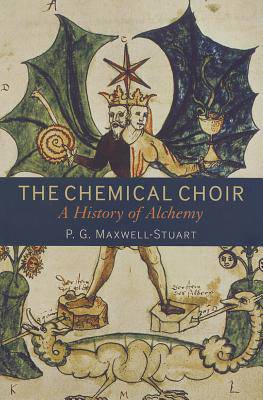
Beginning in China in the search for the secret of immortality, and appearing independently in Egypt as an attempt to produce gold through the arts of smelting and alloying metals, alchemy received a great boost in Europe from studies by Islamic and Jewish alchemists. Translated into Latin and then combined with what was known of Greek natural science these accounts provoked an outburst of attempts to manipulate matter and to change it into transformative substances known as the Philosopher's Stone or the Elixir of Life. Alchemy's heyday in Europe was the sixteenth and seventeenth centuries. Demonstrations of the art were performed in royal courts and specimens of the gold so transmuted can be seen in various museums today. During the nineteenth century, attempts were made to amalgamate alchemy with the religious and occult philosophies then growing in popularity; and in the twentieth century psychologists principally Carl Jung perceived in alchemy a powerful vehicle for aspects of their theories about human nature.
Specificaties
Betrokkenen
- Auteur(s):
- Uitgeverij:
Inhoud
- Aantal bladzijden:
- 216
- Taal:
- Engels
Eigenschappen
- Productcode (EAN):
- 9781441132970
- Verschijningsdatum:
- 10/05/2012
- Uitvoering:
- Paperback
- Formaat:
- Trade paperback (VS)
- Afmetingen:
- 155 mm x 231 mm
- Gewicht:
- 385 g


Alleen bij Standaard Boekhandel
+ 128 punten op je klantenkaart van Standaard Boekhandel
Cadeau

AANGERADEN


Beoordelingen
We publiceren alleen reviews die voldoen aan de voorwaarden voor reviews. Bekijk onze voorwaarden voor reviews.