


- Afhalen na 1 uur in een winkel met voorraad
- Gratis thuislevering in België vanaf € 30
- Ruim aanbod met 7 miljoen producten
- Afhalen na 1 uur in een winkel met voorraad
- Gratis thuislevering in België vanaf € 30
- Ruim aanbod met 7 miljoen producten





€ 47,45
+ 94 punten
Omschrijving
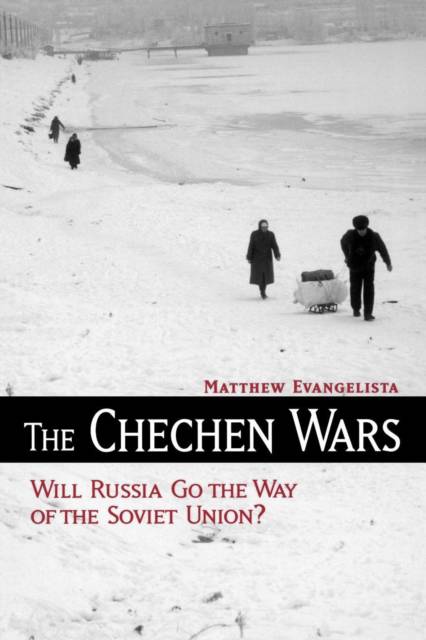
Following the breakup of the Soviet Union, Boris Yeltsin improvised a system of ""asymmetric federalism"" to help maintain its successor state, the Russian Federation. However, when sparks of independence flared up in Chechnya, Yeltsin and, later, Vladimir Putin chose military action to deal with a ""brushfire"" that they feared would spread to other regions and eventually destroy the federation. Matthew Evangelista examines the causes of the Chechen Wars of 1994 and 1999 and challenges Moscow's claims that the Russian Federation was too fragile to withstand the potential loss of one rebellious republic. He suggests that the danger for Russia lies less in a Soviet-style disintegration than in a misguided attempt at authoritarian recentralization, something that would jeopardize Russia's fledgling democratic institutions. He also contends that well-documented acts of terrorism by some Chechen fighters should not serve as an excuse for Russia to commit war crimes and atrocities. Evangelista urges emerging democracies like Russia to deal with violent internal conflict and terrorism without undermining the fundamental rights and freedoms of their citizens. He recommends that the United States and other democracies be more attentive to Moscow's violations of human rights and, in their own struggle against terrorism, provide a kind of role model.
Specificaties
Betrokkenen
- Auteur(s):
- Uitgeverij:
Inhoud
- Aantal bladzijden:
- 260
- Taal:
- Engels
Eigenschappen
- Productcode (EAN):
- 9780815724995
- Verschijningsdatum:
- 12/11/2002
- Uitvoering:
- Paperback
- Formaat:
- Trade paperback (VS)
- Afmetingen:
- 153 mm x 233 mm
- Gewicht:
- 353 g



Alleen bij Standaard Boekhandel
+ 94 punten op je klantenkaart van Standaard Boekhandel
Cadeau

AANGERADEN


Beoordelingen
We publiceren alleen reviews die voldoen aan de voorwaarden voor reviews. Bekijk onze voorwaarden voor reviews.