


- Afhalen na 1 uur in een winkel met voorraad
- Gratis thuislevering in België vanaf € 30
- Ruim aanbod met 7 miljoen producten
- Afhalen na 1 uur in een winkel met voorraad
- Gratis thuislevering in België vanaf € 30
- Ruim aanbod met 7 miljoen producten





€ 23,95
+ 47 punten
Omschrijving
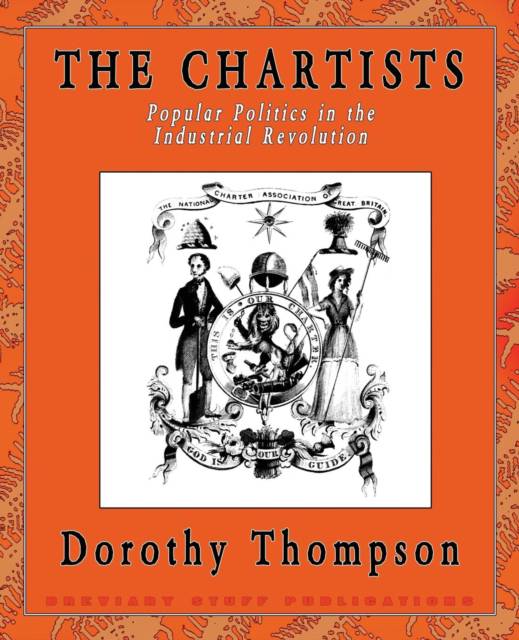
The Chartists is a major contribution to our understanding not just of Chartism but of the whole experience of working-class people in mid-nineteenth century Britain. The book looks at who the Chartists were, what they hoped for from the political power they strove to gain, and why so many of them felt driven toward the use of physical force. It also studies the reactions of the middle and upper classes and the ways in which the two sides - radical and establishment - influenced each other's positions. This book is a uniquely authoritative discussion of the questions that Chartism raises for the historian; and for the historian, student and general reader alike it provides a vivid insight into the lives of working people as they passed through the traumas of the industrial revolution.
Specificaties
Betrokkenen
- Auteur(s):
- Uitgeverij:
Inhoud
- Aantal bladzijden:
- 282
- Taal:
- Engels
Eigenschappen
- Productcode (EAN):
- 9780957000537
- Verschijningsdatum:
- 1/03/2013
- Uitvoering:
- Paperback
- Formaat:
- Trade paperback (VS)
- Afmetingen:
- 190 mm x 235 mm
- Gewicht:
- 489 g



Alleen bij Standaard Boekhandel
+ 47 punten op je klantenkaart van Standaard Boekhandel
CADEAU

AANGERADEN


Beoordelingen
We publiceren alleen reviews die voldoen aan de voorwaarden voor reviews. Bekijk onze voorwaarden voor reviews.