


- Afhalen na 1 uur in een winkel met voorraad
- Gratis thuislevering in België vanaf € 30
- Ruim aanbod met 7 miljoen producten
- Afhalen na 1 uur in een winkel met voorraad
- Gratis thuislevering in België vanaf € 30
- Ruim aanbod met 7 miljoen producten





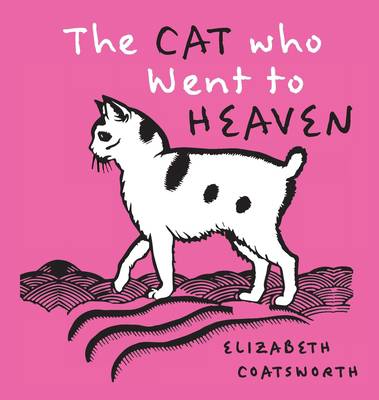
The Cat Who Went to Heaven [1930 Edition Illustrated by Lynn Ward]
Elizabeth Coatsworth
Hardcover | Engels
€ 23,45
+ 46 punten
Uitvoering
Omschrijving
In the 1930 first edition (awarded the 1931 Newbery Medal) Illustrated by Lynn Ward, the story unfolds in ancient Japan through the eyes of an impoverished artist and his gentle housekeeper. Their meager existence is challenged when the housekeeper returns from the market with a tricolor cat named Good Fortune instead of the food they desperately need. Though the artist initially views the cat as a "devil" and a burden, he is slowly won over by the creature's meditative nature and seemingly prayerful devotion, eventually coming to believe she is a true blessing in their home.
The narrative is structured around the artist's prestigious commission to paint a silk scroll of the Death of the Buddha for the local temple. As he works, the book introduces a series of lyrical interludes and "songs" by the housekeeper, which recount the stories of various animals-the snail, the elephant, the horse, and others-that were blessed by the Buddha. The 1931 edition is uniquely defined by Lynd Ward's original brush-style illustrations, which were designed to mirror the ukiyo-e aesthetic of the artist's own masterpiece, emphasizing the spiritual weight of each animal's inclusion.
The emotional core of this version lies in the artist's internal struggle with the "curse" of the cat, who was traditionally excluded from heaven due to its ancient pride. Despite knowing that including a cat in a sacred painting is forbidden and could lead to the temple's rejection, the artist is moved by Good Fortune's silent, soulful longing. In a final act of profound compassion, he paints her into the scene, leading to a quiet and startling miracle that transforms the silk scroll and validates his sacrifice.
Specificaties
Betrokkenen
- Auteur(s):
- Illustrator(s):
- Uitgeverij:
Inhoud
- Aantal bladzijden:
- 68
- Taal:
- Engels
Eigenschappen
- Productcode (EAN):
- 9798898780340
- Verschijningsdatum:
- 4/02/2026
- Uitvoering:
- Hardcover
- Formaat:
- Genaaid
- Afmetingen:
- 203 mm x 203 mm
- Gewicht:
- 312 g


Alleen bij Standaard Boekhandel
+ 46 punten op je klantenkaart van Standaard Boekhandel
Cadeau

AANGERADEN


Beoordelingen
We publiceren alleen reviews die voldoen aan de voorwaarden voor reviews. Bekijk onze voorwaarden voor reviews.