



- Afhalen na 1 uur in een winkel met voorraad
- In januari gratis thuislevering in België
- Ruim aanbod met 7 miljoen producten
- Afhalen na 1 uur in een winkel met voorraad
- In januari gratis thuislevering in België
- Ruim aanbod met 7 miljoen producten





€ 1,99
+ 1 punten
Uitvoering
Omschrijving
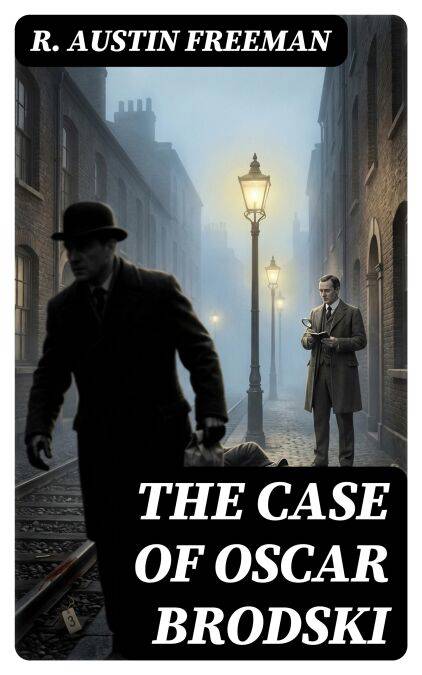
R. Austin Freeman's "The Case of Oscar Brodski" is a masterful work within the detective fiction genre that brilliantly utilize the scientific methods of forensic investigation, a hallmark of Freeman's literary style. Set against the backdrop of early 20th-century England, this narrative employs a tight, logical structure woven with meticulous detail, presenting a classic detective mystery that engages readers while exploring themes of justice, morality, and the fallibility of human perception. Freeman's use of the rationalist approach, particularly through the character of Dr. John Thorndyke—one of the first fictional detectives to utilize forensic science—elevates the narrative beyond mere entertainment to a commentary on the evolving methodologies of crime-solving in a rapidly modernizing society. R. Austin Freeman, a contemporary of Arthur Conan Doyle, was not only a prolific author but also a trained physician, which heavily influenced his portrayal of forensic science in his works. Freeman's background in medicine provided him with unique insights into the criminal mind and investigative processes, allowing him to imbue his stories with authenticity and a keen sense of realism. His experiences during the early 1900s, amidst burgeoning forensic advancements, inspired his innovative merging of scientific principles with fiction. "The Case of Oscar Brodski" is highly recommended for readers who appreciate a blend of intellectual rigor and thrilling narrative. Fans of Sherlock Holmes will find Thorndyke to be a worthy counterpart, embodying the analytical prowess and moral complexity that characterize the best detective literature. This novel is a notable achievement that showcases Freeman's deft storytelling and offers profound insights into the nature of crime and human behavior.
In this enriched edition, we have carefully created added value for your reading experience:
- A succinct Introduction situates the work's timeless appeal and themes.
- The Synopsis outlines the central plot, highlighting key developments without spoiling critical twists.
- A detailed Historical Context immerses you in the era's events and influences that shaped the writing.
- A thorough Analysis dissects symbols, motifs, and character arcs to unearth underlying meanings.
- Reflection questions prompt you to engage personally with the work's messages, connecting them to modern life.
- Hand‐picked Memorable Quotes shine a spotlight on moments of literary brilliance.
- Interactive footnotes clarify unusual references, historical allusions, and archaic phrases for an effortless, more informed read.
In this enriched edition, we have carefully created added value for your reading experience:
- A succinct Introduction situates the work's timeless appeal and themes.
- The Synopsis outlines the central plot, highlighting key developments without spoiling critical twists.
- A detailed Historical Context immerses you in the era's events and influences that shaped the writing.
- A thorough Analysis dissects symbols, motifs, and character arcs to unearth underlying meanings.
- Reflection questions prompt you to engage personally with the work's messages, connecting them to modern life.
- Hand‐picked Memorable Quotes shine a spotlight on moments of literary brilliance.
- Interactive footnotes clarify unusual references, historical allusions, and archaic phrases for an effortless, more informed read.
Specificaties
Betrokkenen
- Auteur(s):
- Uitgeverij:
Inhoud
- Aantal bladzijden:
- 31
- Taal:
- Engels
Eigenschappen
- Productcode (EAN):
- 8596547724193
- Verschijningsdatum:
- 15/11/2023
- Uitvoering:
- E-book
- Beveiligd met:
- Digital watermarking
- Formaat:
- ePub


Alleen bij Standaard Boekhandel
+ 1 punten op je klantenkaart van Standaard Boekhandel
Cadeau

AANGERADEN


Beoordelingen
We publiceren alleen reviews die voldoen aan de voorwaarden voor reviews. Bekijk onze voorwaarden voor reviews.