


- Afhalen na 1 uur in een winkel met voorraad
- Gratis thuislevering in België vanaf € 30
- Ruim aanbod met 7 miljoen producten
- Afhalen na 1 uur in een winkel met voorraad
- Gratis thuislevering in België vanaf € 30
- Ruim aanbod met 7 miljoen producten





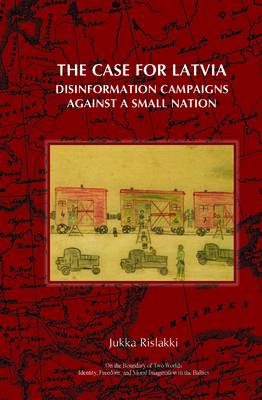
The Case for Latvia: Disinformation Campaigns Against a Small Nation
Fourteen Hard Questions and Straight Answers about a Baltic Country
Jukka Rislakki
€ 66,08
+ 132 punten
Omschrijving
What do we know about Latvia and the Latvians? A Baltic (not Balkan) nation that emerged from fifty years under the Soviet Union - interrupted by a brief but brutal Nazi-German occupation and a devastating war - now a member of the European Union and NATO. Yes, but what else? Relentless accusations keep appearing, especially in Russian media, often repeated in the West: "Latvian soldiers single-handedly saved Lenin's revolution in 1917", "Latvians killed Tsar Nikolai II and the Royal family", "Latvia was a thoroughly anti-Semitic country and Latvians started killing Jews even before the Germans arrived in 1941", "Nazi revival is rampant in today's Latvia", "The Russian minority is persecuted in Latvia..."
True, false or in-between? The Finnish journalist and author Jukka Rislakki examines charges like these and provides an outline of Latvia's recent history while attempting to separate documented historical fact from misinformation and deliberate disinformation. His analysis helps to explain why the Baltic States (population 7 million) consistently top the enemy lists in public opinion polls of Russia (143 million). His knowledge of the Baltic languages allows him to make use of local sources and up-to-date historical research. He is a former Baltic States correspondent for Finland's largest daily newspaper Helsingin Sanomat and the author of several books on Finnish and Latvian history. As a neutral, experienced and often critical observer, Rislakki is uniquely qualified for the task of separating truth from fiction.
True, false or in-between? The Finnish journalist and author Jukka Rislakki examines charges like these and provides an outline of Latvia's recent history while attempting to separate documented historical fact from misinformation and deliberate disinformation. His analysis helps to explain why the Baltic States (population 7 million) consistently top the enemy lists in public opinion polls of Russia (143 million). His knowledge of the Baltic languages allows him to make use of local sources and up-to-date historical research. He is a former Baltic States correspondent for Finland's largest daily newspaper Helsingin Sanomat and the author of several books on Finnish and Latvian history. As a neutral, experienced and often critical observer, Rislakki is uniquely qualified for the task of separating truth from fiction.
Specificaties
Betrokkenen
- Auteur(s):
- Uitgeverij:
Inhoud
- Aantal bladzijden:
- 295
- Taal:
- Engels
- Reeks:
- Reeksnummer:
- nr. 15
Eigenschappen
- Productcode (EAN):
- 9789042024236
- Verschijningsdatum:
- 1/01/2008
- Uitvoering:
- Hardcover
- Formaat:
- Genaaid
- Afmetingen:
- 150 mm x 220 mm
- Gewicht:
- 603 g


Alleen bij Standaard Boekhandel
+ 132 punten op je klantenkaart van Standaard Boekhandel
Cadeau

AANGERADEN


Beoordelingen
We publiceren alleen reviews die voldoen aan de voorwaarden voor reviews. Bekijk onze voorwaarden voor reviews.