


- Afhalen na 1 uur in een winkel met voorraad
- Gratis thuislevering in België vanaf € 30
- Ruim aanbod met 7 miljoen producten
- Afhalen na 1 uur in een winkel met voorraad
- Gratis thuislevering in België vanaf € 30
- Ruim aanbod met 7 miljoen producten





Omschrijving
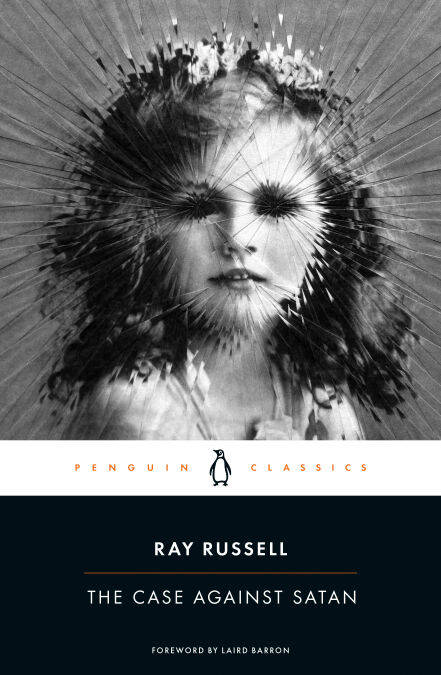
Before The Exorcist and Rosemary’s Baby, there was The Case Against Satan
By the twentieth century, the exorcism had all but vanished, wiped out by modern science and psychology. But Ray Russell—praised by Stephen King and Guillermo del Toro as a sophisticated practitioner of Gothic fiction—resurrected the ritual with his classic 1962 horror novel, The Case Against Satan, giving new rise to the exorcism on page, screen, and even in real life.
Teenager Susan Garth was “a clean-talking sweet little girl” of high school age before she started having “fits”—a sudden aversion to churches and a newfound fondness for vulgarity. Then one night, she strips in front of the parish priest and sinks her nails into his throat. If not madness, then the answer must be demonic possession. To vanquish the Devil, Bishop Crimmings recruits Father Gregory Sargent, a younger priest with a taste for modern ideas and brandy. As the two men fight not just the darkness tormenting Susan but also one another, a soul-chilling revelation lurks in the shadows—one that knows that the darkest evil goes by many names.
For more than sixty-five years, Penguin has been the leading publisher of classic literature in the English-speaking world. With more than 1,500 titles, Penguin Classics represents a global bookshelf of the best works throughout history and across genres and disciplines. Readers trust the series to provide authoritative texts enhanced by introductions and notes by distinguished scholars and contemporary authors, as well as up-to-date translations by award-winning translators.
By the twentieth century, the exorcism had all but vanished, wiped out by modern science and psychology. But Ray Russell—praised by Stephen King and Guillermo del Toro as a sophisticated practitioner of Gothic fiction—resurrected the ritual with his classic 1962 horror novel, The Case Against Satan, giving new rise to the exorcism on page, screen, and even in real life.
Teenager Susan Garth was “a clean-talking sweet little girl” of high school age before she started having “fits”—a sudden aversion to churches and a newfound fondness for vulgarity. Then one night, she strips in front of the parish priest and sinks her nails into his throat. If not madness, then the answer must be demonic possession. To vanquish the Devil, Bishop Crimmings recruits Father Gregory Sargent, a younger priest with a taste for modern ideas and brandy. As the two men fight not just the darkness tormenting Susan but also one another, a soul-chilling revelation lurks in the shadows—one that knows that the darkest evil goes by many names.
For more than sixty-five years, Penguin has been the leading publisher of classic literature in the English-speaking world. With more than 1,500 titles, Penguin Classics represents a global bookshelf of the best works throughout history and across genres and disciplines. Readers trust the series to provide authoritative texts enhanced by introductions and notes by distinguished scholars and contemporary authors, as well as up-to-date translations by award-winning translators.
Specificaties
Betrokkenen
- Auteur(s):
- Uitgeverij:
Inhoud
- Aantal bladzijden:
- 160
- Taal:
- Engels
Eigenschappen
- Productcode (EAN):
- 9781101627136
- Verschijningsdatum:
- 12/10/2015
- Uitvoering:
- E-book
- Beveiligd met:
- Adobe DRM
- Formaat:
- ePub


Alleen bij Standaard Boekhandel
+ 14 punten op je klantenkaart van Standaard Boekhandel
AANGERADEN


Beoordelingen
We publiceren alleen reviews die voldoen aan de voorwaarden voor reviews. Bekijk onze voorwaarden voor reviews.