


- Afhalen na 1 uur in een winkel met voorraad
- Gratis thuislevering in België vanaf € 30
- Ruim aanbod met 7 miljoen producten
- Afhalen na 1 uur in een winkel met voorraad
- Gratis thuislevering in België vanaf € 30
- Ruim aanbod met 7 miljoen producten





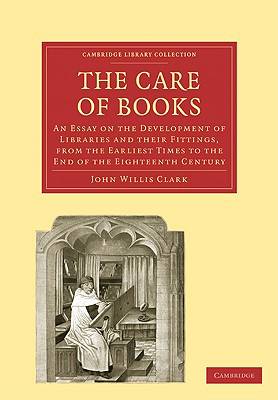
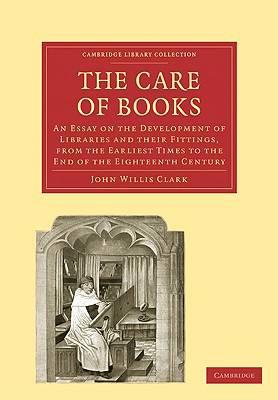
The Care of Books
An Essay on the Development of Libraries and Their Fittings, from the Earliest Times to the End of the Eighteenth Century
John Willis Clark
€ 37,95
+ 75 punten
Uitvoering
Omschrijving
John Willis Clark, a noted academic and antiquarian, published this book in 1901 after completing his work on the architectural history of Cambridge. His carefully researched study (Clark personally visited and measured every building he described, and drew many of the illustrations), provides a wide-ranging account of the history of libraries from antiquity to the early modern period. Clark describes the buildings used to store books: churches, cloisters, and purpose-built libraries; the way collections were endowed, audited and protected; the development of library furniture, including lecterns, stalls, chaining systems and wall-cases; and the characteristics of monastic, collegiate, and private collections. The book is generously illustrated, and its approachable style means it will appeal not only to academic historians of libraries, but to a wider audience of those interested in books and reading culture, historic buildings and artefacts, and medieval, renaissance and early modern studies.
Specificaties
Betrokkenen
- Auteur(s):
- Uitgeverij:
Inhoud
- Aantal bladzijden:
- 488
- Taal:
- Engels
- Reeks:
Eigenschappen
- Productcode (EAN):
- 9781108005081
- Verschijningsdatum:
- 20/07/2009
- Uitvoering:
- Paperback
- Formaat:
- Trade paperback (VS)
- Afmetingen:
- 170 mm x 244 mm
- Gewicht:
- 771 g


Alleen bij Standaard Boekhandel
+ 75 punten op je klantenkaart van Standaard Boekhandel
Cadeau

AANGERADEN


Beoordelingen
We publiceren alleen reviews die voldoen aan de voorwaarden voor reviews. Bekijk onze voorwaarden voor reviews.