


- Afhalen na 1 uur in een winkel met voorraad
- Gratis thuislevering in België vanaf € 30
- Ruim aanbod met 7 miljoen producten
- Afhalen na 1 uur in een winkel met voorraad
- Gratis thuislevering in België vanaf € 30
- Ruim aanbod met 7 miljoen producten





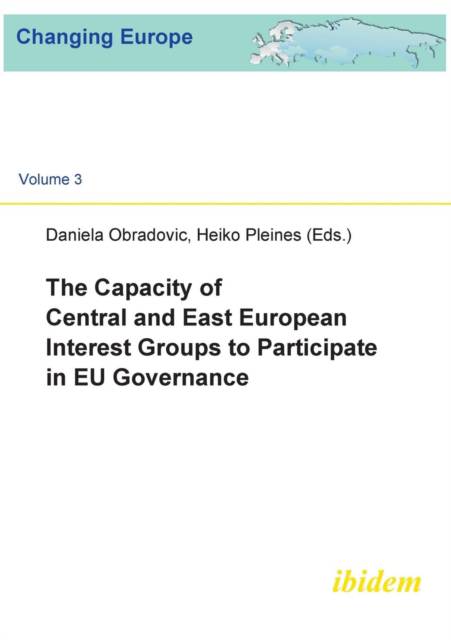
The Capacity of Central and East European Interest Groups to Participate in EU Governance
€ 31,45
+ 62 punten
Omschrijving
The integration of ten Central and East European countries (CEEC) into the EU as part of the 2004 and 2007 enlargements poses new challenges toEU governance, as the number of countries involved has thereby increased dramatically. However, the actors coming from the new member states also face challenges as they attempt to integrate themselves into EU decisionmaking processes. This book analyses the attempts of of civil society organisations from the Czech Republic and Poland to engage in EU governance in four policy fields. The guiding question is whether civil society organisations from the Central and East European member states have (or can gain) the capacity for meaningful participation in EU governance. After an introductory part, which outlines the analytical framework and offers a review of the literature, the actors and rules of EU governance are profiled. The third and fourth parts of the book then present case studies. The case studies address the civil society organisations most actively involved in EU governance, namely typical NGOs, trade unions, employers organisations and business associations.
Specificaties
Betrokkenen
- Uitgeverij:
Inhoud
- Aantal bladzijden:
- 248
- Taal:
- Engels
- Reeks:
- Reeksnummer:
- nr. 3
Eigenschappen
- Productcode (EAN):
- 9783898217507
- Verschijningsdatum:
- 15/10/2007
- Uitvoering:
- Paperback
- Afmetingen:
- 148 mm x 350 mm
- Gewicht:
- 336 g

Alleen bij Standaard Boekhandel
+ 62 punten op je klantenkaart van Standaard Boekhandel
Cadeau

AANGERADEN


Beoordelingen
We publiceren alleen reviews die voldoen aan de voorwaarden voor reviews. Bekijk onze voorwaarden voor reviews.