


- Afhalen na 1 uur in een winkel met voorraad
- Gratis thuislevering in België vanaf € 30
- Ruim aanbod met 7 miljoen producten
- Afhalen na 1 uur in een winkel met voorraad
- Gratis thuislevering in België vanaf € 30
- Ruim aanbod met 7 miljoen producten





€ 88,45
+ 176 punten
Uitvoering
Eenvoudig bestellen
Veilig betalen


Gratis thuislevering vanaf € 30 (via bpost)
Gratis levering in je Standaard Boekhandel
Omschrijving
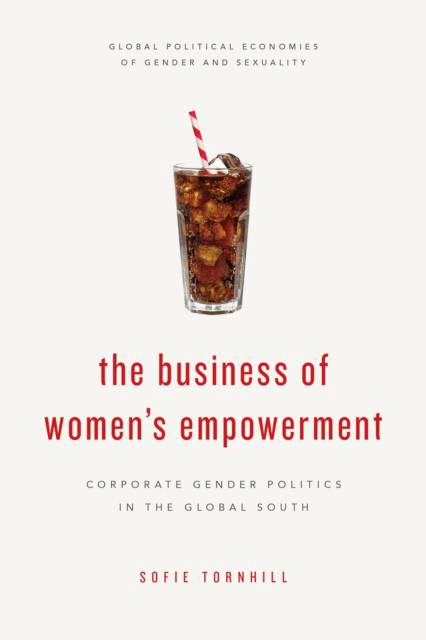
With catchphrases like "smart economics" and "the business case for gender equality," global corporations are increasingly involved in gender and development politics in the Global South. This book focuses on an emblematic example of this tendency to interrogate the proposed win-win relationship between corporate profit opportunities and the economic advancement of women in marginalized economic positions. The Coca-Cola Company's 5by20 program has won broad recognition for its global reach and ambitious goal: to economically empower five million female micro-entrepreneurs across its supply chain before the end of 2020. Based on situated engagements with program implementers and participants in Mexico and South Africa, the study moves beyond the unequivocally positive effects conveyed by the program's rhetoric. It examines the appropriation of social values to strengthen the brand; the use of self-help psychology to enhance entrepreneurial conduct and exempt weak economic results; and the recasting of women's precarious labor in terms of entrepreneurship - which conceals structural causes of poverty and impediments of sustainable business development. Providing unique insights into the premises and effects of corporate solutions to gender inequality in the Global South, the book contributes to debates on the relations between neoliberal capitalist expansion and feminist emancipatory endeavors.
Specificaties
Betrokkenen
- Auteur(s):
- Uitgeverij:
Inhoud
- Aantal bladzijden:
- 186
- Taal:
- Engels
- Reeks:
Eigenschappen
- Productcode (EAN):
- 9781786601599
- Verschijningsdatum:
- 29/08/2019
- Uitvoering:
- Paperback
- Formaat:
- Trade paperback (VS)
- Afmetingen:
- 152 mm x 229 mm
- Gewicht:
- 281 g


Alleen bij Standaard Boekhandel
+ 176 punten op je klantenkaart van Standaard Boekhandel
CADEAU

AANGERADEN


Beoordelingen
We publiceren alleen reviews die voldoen aan de voorwaarden voor reviews. Bekijk onze voorwaarden voor reviews.