


- Afhalen na 1 uur in een winkel met voorraad
- Gratis thuislevering in België vanaf € 30
- Ruim aanbod met 7 miljoen producten
- Afhalen na 1 uur in een winkel met voorraad
- Gratis thuislevering in België vanaf € 30
- Ruim aanbod met 7 miljoen producten





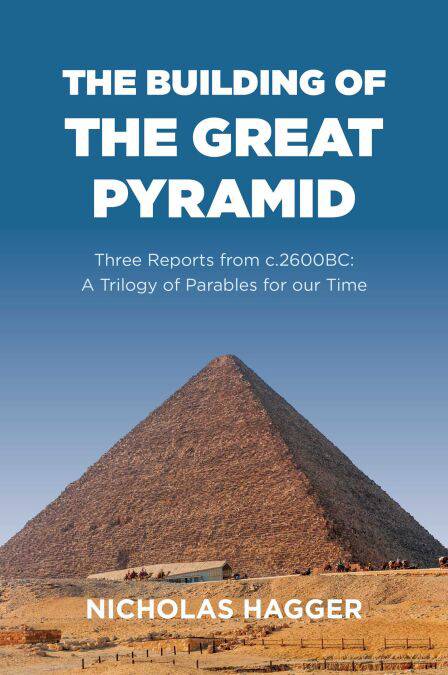
The Building of the Great Pyramid E-BOOK
Three Reports from c.2600BC: A Trilogy of Parables for our Time
Nicholas Hagger
E-book | Engels
€ 8,94
+ 8 punten
Omschrijving
When he was ten Nicholas Hagger's dentist, Howard Carter's brother, told him about the opening of Tutankhamun's tomb, and he was later given a shawabti (funerary figurine) of Tutankhamun that came from the tomb. As a teenager he was fascinated by the Great Pyramid, and in 1963 he wrote ‘The Riddle of the Great Pyramid' as a parable for our time. Written as a report by an official living at Giza during the construction in progress in c.2600BC, it explains the massive organisation and endeavour that has gone into the building so far when those involved in the work do not know its purpose or why it is being built. The notion of the Great Pyramid as a symbol of bafflement and a microcosm of Western society has haunted Hagger throughout his working life. After visiting it in 2005 he wrote a sequel by the same official, ‘The Meaning and Purpose of the Great Pyramid', which carries the story forward, and after another visit in 2020 he wrote ‘The Great Pyramid as a House of Eternity', which completed a Pyramid trilogy. These three reports, which have followed research into the building of the Great Pyramid for 57 years, are now brought out together with illustrations that throw light on the events described and reveal the Pharaoh's face on the Sphinx. Collectively they offer a factual account of the construction soon after 2600BC and the aspirations of humans seeking a life beyond death before the birth of the established religions, and as parables in the tradition of Swift, they profoundly question the modern world of work and organisation of Western society. They present a quest for eternity that is also a self-aggrandising folly at the beginning of recorded history, and illustrate the dialectic between a quest for Reality and condemnation of follies and vices that Hagger identified as the fundamental theme of world literature in A New Philosophy of Literature.
Specificaties
Betrokkenen
- Auteur(s):
- Uitgeverij:
Inhoud
- Aantal bladzijden:
- 112
- Taal:
- Engels
Eigenschappen
- Productcode (EAN):
- 9781785351600
- Verschijningsdatum:
- 30/05/2024
- Uitvoering:
- E-book
- Beveiligd met:
- Adobe DRM
- Formaat:
- ePub


Alleen bij Standaard Boekhandel
+ 8 punten op je klantenkaart van Standaard Boekhandel
Cadeau

AANGERADEN


Beoordelingen
We publiceren alleen reviews die voldoen aan de voorwaarden voor reviews. Bekijk onze voorwaarden voor reviews.