



- Afhalen na 1 uur in een winkel met voorraad
- In januari gratis thuislevering in België
- Ruim aanbod met 7 miljoen producten
- Afhalen na 1 uur in een winkel met voorraad
- In januari gratis thuislevering in België
- Ruim aanbod met 7 miljoen producten





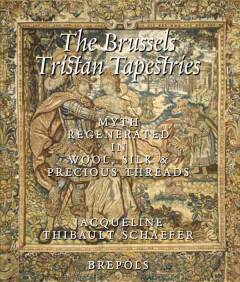
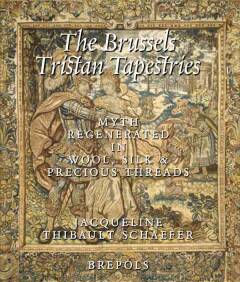
The Brussels Tristan Tapestries
Myth Regenerated in Wool, Silk and Precious Threads
Jacqueline Thibault Schaefer
€ 159,00
+ 318 punten
Omschrijving
Today, a modest number of Tristanian artifacts may still be admired in museums and castles. Digital access to art collections continues to enrich the list with surprises, such as the exquisitely carved fourteenth century 'Tristan' bench of the Tallinn Town Hall in Estonia. Some embroidered work and painted wall decor also have survived. However, what there might have been of woven wall hangings on the subject has all but disappeared, with the exception of a modern single-panel Aubusson and the set of seven hangings which constitutes the subject of this book. The Brussels Tristan Tapestries have never before been studied as a series. The purpose of this monograph is to bring to light a rarely seen work of art and to apprise specialists of iconography, literature and myth of its relevance and uniqueness. The chapters deal with the detailed analysis of the set and its meaning as a whole, the reconstitution of the history of its ownership, the place of this particular version in the verbal and figurative traditions to which it refers and the role of this 'tenture' in the corpus of the Tristan myth. Since the exhibitions of 2002 and 2007 at the New York Metropolitan Museum of Arts, woven tapestry has been given place of prominence; collections have been exhumed from storage and revealed to the public, accompanied by handsome catalogues. It is hoped that this contribution comes at an opportune time.
Specificaties
Betrokkenen
- Auteur(s):
- Uitgeverij:
Inhoud
- Aantal bladzijden:
- 147
- Taal:
- Engels
- Reeks:
- Reeksnummer:
- nr. 6
Eigenschappen
- Productcode (EAN):
- 9782503549828
- Verschijningsdatum:
- 20/01/2016
- Uitvoering:
- Hardcover
- Formaat:
- Genaaid
- Afmetingen:
- 251 mm x 302 mm
- Gewicht:
- 1202 g


Alleen bij Standaard Boekhandel
+ 318 punten op je klantenkaart van Standaard Boekhandel
Cadeau

AANGERADEN


Beoordelingen
We publiceren alleen reviews die voldoen aan de voorwaarden voor reviews. Bekijk onze voorwaarden voor reviews.