


- Afhalen na 1 uur in een winkel met voorraad
- Gratis thuislevering in België vanaf € 30
- Ruim aanbod met 7 miljoen producten
- Afhalen na 1 uur in een winkel met voorraad
- Gratis thuislevering in België vanaf € 30
- Ruim aanbod met 7 miljoen producten




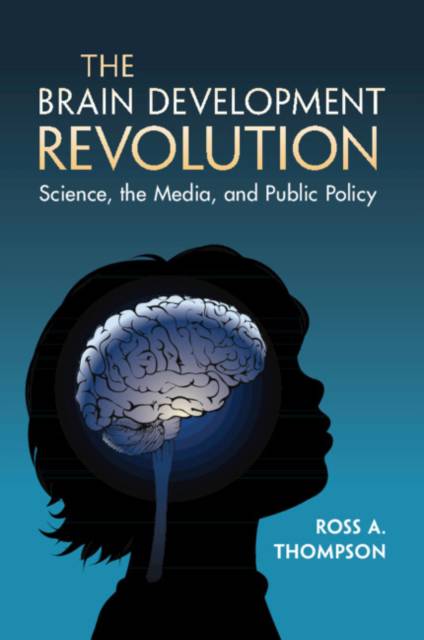
The Brain Development Revolution
Science, the Media, and Public Policy
Ross A Thompson
Paperback | Engels
€ 43,45
+ 86 punten
Omschrijving
The science of human development informs our thinking about children and their development. The Brain Development Revolution asks how and why has brain development become the major lens for understanding child development, and its consequences. It describes the 1997 I Am Your Child campaign that engaged public attention through a sophisticated media communications effort, a White House conference, and other events. It explores the campaign's impact, including voter initiatives to fund early childhood programs and a national campaign for prekindergarten education, but also several missed opportunities. The study examines why brain development compels our attention, why we are - but shouldn't be - neurodeterminists, and the challenges of communicating developmental brain science. This book examines the framing of the brain development story, the selectivity of the messaging, and overpromising the results of early programs. Lastly, it discusses proposals for how science communication can be improved to better serve children and the public.
Specificaties
Betrokkenen
- Auteur(s):
- Uitgeverij:
Inhoud
- Aantal bladzijden:
- 334
- Taal:
- Engels
Eigenschappen
- Productcode (EAN):
- 9781009304245
- Verschijningsdatum:
- 7/09/2023
- Uitvoering:
- Paperback
- Formaat:
- Trade paperback (VS)
- Afmetingen:
- 152 mm x 229 mm
- Gewicht:
- 449 g


Alleen bij Standaard Boekhandel
+ 86 punten op je klantenkaart van Standaard Boekhandel
AANGERADEN


Beoordelingen
We publiceren alleen reviews die voldoen aan de voorwaarden voor reviews. Bekijk onze voorwaarden voor reviews.