


- Afhalen na 1 uur in een winkel met voorraad
- Gratis thuislevering in België vanaf € 30
- Ruim aanbod met 7 miljoen producten
- Afhalen na 1 uur in een winkel met voorraad
- Gratis thuislevering in België vanaf € 30
- Ruim aanbod met 7 miljoen producten




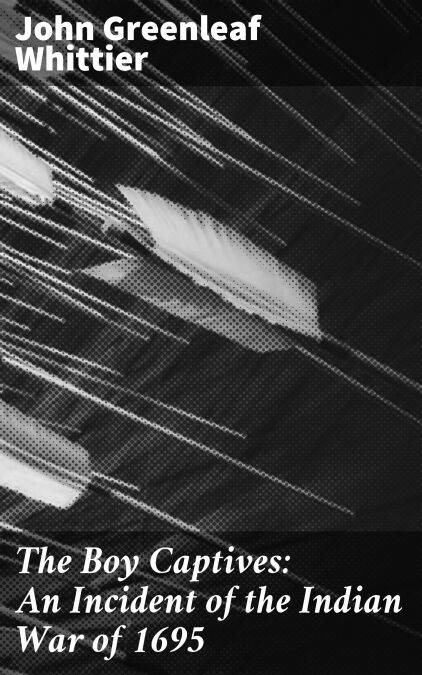
The Boy Captives: An Incident of the Indian War of 1695 E-BOOK
A Poetic Tale of Captivity and Resilience in Colonial America
John Greenleaf Whittier
E-book | Engels
€ 1,99
+ 1 punten
Omschrijving
In "The Boy Captives: An Incident of the Indian War of 1695," John Greenleaf Whittier masterfully weaves a narrative that delves into the harrowing experiences of young captives during a tumultuous period of American history. Through vivid imagery and emotive language, Whittier employs a balladic style that captures the tension and urgency of the moment, immersing readers in the chaotic landscape of the Indian War. The poem not only serves as a historical retelling but also explores themes of resilience, identity, and the horrors of warfare, situating its literary context within the broader body of American romanticism that sought to grapple with the nation's past. Whittier, an ardent abolitionist and humanitarian, was deeply influenced by the moral and ethical imperatives of his time. His upbringing in Massachusetts, amongst Quaker ideals, instilled a sense of social justice and empathy towards marginalized groups. This background informed his portrayal of the captives, highlighting the nobility of human spirit amidst suffering, while shedding light on the complexities of cultural encounters in the colonial era. For readers who seek an evocative exploration of historical trauma through lyrical poetry, Whittier's "The Boy Captives" is a compelling and poignant work. It invites reflection on the past while resonating with contemporary issues of conflict and survival, making it an essential read for enthusiasts of American literature and history alike.
Specificaties
Betrokkenen
- Auteur(s):
- Uitgeverij:
Inhoud
- Aantal bladzijden:
- 106
- Taal:
- Engels
Eigenschappen
- Productcode (EAN):
- 4064066091132
- Verschijningsdatum:
- 15/03/2020
- Uitvoering:
- E-book
- Beveiligd met:
- Digital watermarking
- Formaat:
- ePub



Alleen bij Standaard Boekhandel
+ 1 punten op je klantenkaart van Standaard Boekhandel
Cadeau

AANGERADEN


Beoordelingen
We publiceren alleen reviews die voldoen aan de voorwaarden voor reviews. Bekijk onze voorwaarden voor reviews.