


- Afhalen na 1 uur in een winkel met voorraad
- Gratis thuislevering in België vanaf € 30
- Ruim aanbod met 7 miljoen producten
- Afhalen na 1 uur in een winkel met voorraad
- Gratis thuislevering in België vanaf € 30
- Ruim aanbod met 7 miljoen producten





€ 7,95
+ 15 punten
Omschrijving
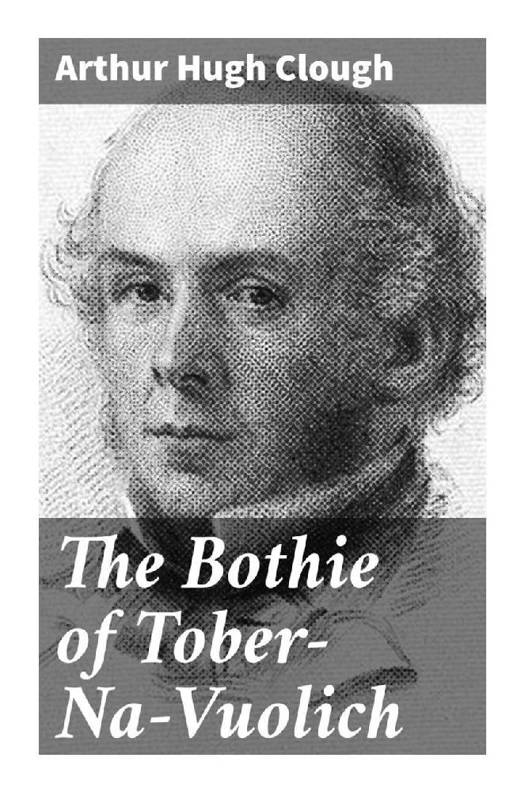
Arthur Hugh Clough's The Bothie of Tober-Na-Vuolich is a witty and searching "long-vacation pastoral" in which an Oxford reading party travels to the Scottish Highlands, only to find its classical and social assumptions unsettled. Written in experimental English hexameters, the poem fuses mock-epic, pastoral romance, and Victorian social comedy. Its central story-Philip Hewson's rejection of conventional prospects and his love for the Highland girl Elspie-places questions of class, vocation, and moral sincerity within a landscape both idyllic and bracingly real. Clough, educated at Rugby under Thomas Arnold and later at Oxford, was deeply marked by the religious uncertainty and institutional pressures of mid-nineteenth-century England. His resignation from an Oxford fellowship, his sympathy with liberal reform, and the revolutionary atmosphere of the 1840s all inform the poem's restless intelligence. The Bothie reflects a mind skeptical of inherited formulas yet still searching for ethical seriousness. This book is highly recommended to readers interested in Victorian poetry beyond the familiar lyric canon. It rewards those drawn to formal experiment, social critique, and the drama of youthful idealism tested against experience.
Specificaties
Betrokkenen
- Auteur(s):
- Uitgeverij:
Inhoud
- Taal:
- Engels
Eigenschappen
- Productcode (EAN):
- 9788027229437
- Uitvoering:
- Paperback
- Afmetingen:
- 152 mm x 229 mm
- Gewicht:
- 92 g


Alleen bij Standaard Boekhandel
+ 15 punten op je klantenkaart van Standaard Boekhandel
CADEAU

AANGERADEN


Beoordelingen
We publiceren alleen reviews die voldoen aan de voorwaarden voor reviews. Bekijk onze voorwaarden voor reviews.