



Je cadeautjes zeker op tijd in huis hebben voor de feestdagen? Kom langs in onze winkels en vind het perfecte geschenk!
- Afhalen na 1 uur in een winkel met voorraad
- Gratis thuislevering in België vanaf € 30
- Ruim aanbod met 7 miljoen producten
Je cadeautjes zeker op tijd in huis hebben voor de feestdagen? Kom langs in onze winkels en vind het perfecte geschenk!
- Afhalen na 1 uur in een winkel met voorraad
- Gratis thuislevering in België vanaf € 30
- Ruim aanbod met 7 miljoen producten





€ 10,45
+ 20 punten
Uitvoering
Omschrijving
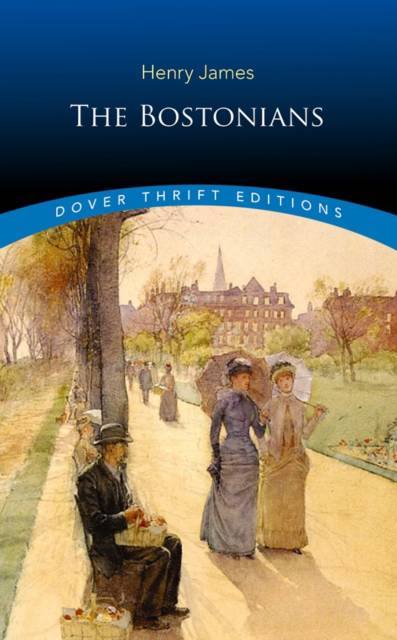
Master storyteller Henry James transports readers to New England in the 1870s for his satire of the American women's rights movement. Charismatic speaker Verena Tarrant is at the center of an acrimonious struggle between two distant cousins. Olive Chancellor sees Verena as a potential leader of the suffragettes and jealously attempts to isolate her protégée from the society of men. The man Olive particularly abhors is cynical Southern lawyer Basil Ransom, who seeks a conventional marriage with Verena. The rivalry between liberal Olive and conservative Basil for Verena's attentions and loyalty forms a compelling tale of politics, feminism, and a nascent lesbian attraction.
Set in the decade following the Civil War, The Bostonians offers a fascinating portrait of its era, particularly in its reflection of women's social roles. James's highly visual descriptions of town and country scenes complement the abstractions of his characters' attitudes and arguments, and the narrative abounds in his customary acute insights and subtle irony.
Set in the decade following the Civil War, The Bostonians offers a fascinating portrait of its era, particularly in its reflection of women's social roles. James's highly visual descriptions of town and country scenes complement the abstractions of his characters' attitudes and arguments, and the narrative abounds in his customary acute insights and subtle irony.
Specificaties
Betrokkenen
- Auteur(s):
- Uitgeverij:
Inhoud
- Aantal bladzijden:
- 480
- Taal:
- Engels
- Reeks:
Eigenschappen
- Productcode (EAN):
- 9780486822211
- Verschijningsdatum:
- 18/07/2018
- Uitvoering:
- Paperback
- Formaat:
- Trade paperback (VS)
- Afmetingen:
- 127 mm x 201 mm
- Gewicht:
- 317 g



Alleen bij Standaard Boekhandel
+ 20 punten op je klantenkaart van Standaard Boekhandel
CADEAU


Beoordelingen
We publiceren alleen reviews die voldoen aan de voorwaarden voor reviews. Bekijk onze voorwaarden voor reviews.