


- Afhalen na 1 uur in een winkel met voorraad
- Gratis thuislevering in België vanaf € 30
- Ruim aanbod met 7 miljoen producten
- Afhalen na 1 uur in een winkel met voorraad
- Gratis thuislevering in België vanaf € 30
- Ruim aanbod met 7 miljoen producten





€ 108,45
+ 216 punten
Uitvoering
Omschrijving
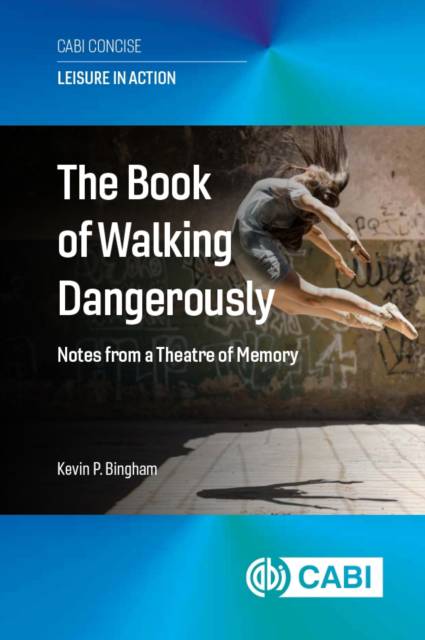
The Book of Walking Dangerously differs from other walking books because it is, from beginning to end, about displeasure and the disagreeable. Employing Jean-Fran├°ois Lyotard's concept of paralogy - a means of recognizing there can be different logic to life that other scholars ignore or do not understand - the book is an exploration of the value of bleakness, suffering, darkness and even death. Seeing and living through such things, it is argued, is to be baptized into a richer and more deeply felt relationship with walking. Drawing inspiration from Raphael Samuel's view that history (and memory) is a dynamic process, the seven chapters present a theatre of memory consisting of lived, first-hand experiences in rural, urban and underground settings. Each chapter involves liminal passage, a shift from perceived certainty and comfort into chaos and danger as ruptures in everyday life are encountered. With a sense of adventure driving it, this book invites readers to come along on a journey that exists somewhere between the real, the reconstructed and the phantastic. Blending leisure studies, sociology, philosophy and geography, this book will appeal to researchers who are interested in the hidden dimensions and transformative power of spaces.
Specificaties
Betrokkenen
- Auteur(s):
- Uitgeverij:
Inhoud
- Aantal bladzijden:
- 88
- Taal:
- Engels
- Reeks:
Eigenschappen
- Productcode (EAN):
- 9781836993247
- Verschijningsdatum:
- 5/12/2025
- Uitvoering:
- Hardcover
- Formaat:
- Genaaid
- Afmetingen:
- 156 mm x 234 mm
- Gewicht:
- 349 g



Alleen bij Standaard Boekhandel
+ 216 punten op je klantenkaart van Standaard Boekhandel
Cadeau

AANGERADEN


Beoordelingen
We publiceren alleen reviews die voldoen aan de voorwaarden voor reviews. Bekijk onze voorwaarden voor reviews.