


- Afhalen na 1 uur in een winkel met voorraad
- Gratis thuislevering in België vanaf € 30
- Ruim aanbod met 7 miljoen producten
- Afhalen na 1 uur in een winkel met voorraad
- Gratis thuislevering in België vanaf € 30
- Ruim aanbod met 7 miljoen producten





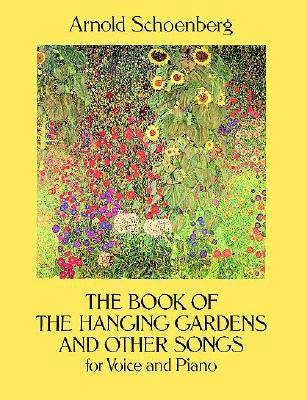
The Book of the Hanging Gardens and Other Songs for Voice and Piano
Arnold Schoenberg
€ 22,95
+ 45 punten
Omschrijving
Even in his earliest songs, Schoenberg had begun explorations of chromaticism that would lead him away from traditional harmony and, eventually, from tonality itself. Audiences and critics did not take to these new sounds without protest. As Schoenberg himself put it, "the scandal never stopped." But despite listeners' resistance, the composer persisted on a course that in time deeply influenced the musical language of the twentieth century. Today, his songs have become an integral part of song recitals and recordings devoted to the roots of contemporary composition.
This superb collection contains forty-three of the composer's most important songs, all from the turn of the twentieth century. They include Four Songs, Op. 2 (1899), Six Songs, Op. 3 (1899-1903), and Eight Songs, Op. 6 (1903-05), all set to texts by Dehmel, Keller, Nietzsche, and others; Six Orchestral Songs, Op. 8 (1903-05), set to texts by Petrarch and others, and arranged for voice and piano by Anton Webern; The Book of the Hanging Gardens, Op. 15 (1908-09), fifteen songs on texts of Stefan George; and four songs from Gurrelieder (1900-01), arranged for voice and piano by Alban Berg. Stanley Appelbaum has supplied new English translations of the texts.
This superb collection contains forty-three of the composer's most important songs, all from the turn of the twentieth century. They include Four Songs, Op. 2 (1899), Six Songs, Op. 3 (1899-1903), and Eight Songs, Op. 6 (1903-05), all set to texts by Dehmel, Keller, Nietzsche, and others; Six Orchestral Songs, Op. 8 (1903-05), set to texts by Petrarch and others, and arranged for voice and piano by Anton Webern; The Book of the Hanging Gardens, Op. 15 (1908-09), fifteen songs on texts of Stefan George; and four songs from Gurrelieder (1900-01), arranged for voice and piano by Alban Berg. Stanley Appelbaum has supplied new English translations of the texts.
Specificaties
Betrokkenen
- Auteur(s):
- Uitgeverij:
Inhoud
- Aantal bladzijden:
- 176
- Taal:
- Engels
- Reeks:
Eigenschappen
- Productcode (EAN):
- 9780486285627
- Verschijningsdatum:
- 18/05/2016
- Uitvoering:
- Paperback
- Formaat:
- Ongenaaid / garenloos gebonden
- Afmetingen:
- 239 mm x 309 mm
- Gewicht:
- 503 g


Alleen bij Standaard Boekhandel
+ 45 punten op je klantenkaart van Standaard Boekhandel
Cadeau

AANGERADEN


Beoordelingen
We publiceren alleen reviews die voldoen aan de voorwaarden voor reviews. Bekijk onze voorwaarden voor reviews.