


- Afhalen na 1 uur in een winkel met voorraad
- Gratis thuislevering in België vanaf € 30
- Ruim aanbod met 7 miljoen producten
- Afhalen na 1 uur in een winkel met voorraad
- Gratis thuislevering in België vanaf € 30
- Ruim aanbod met 7 miljoen producten





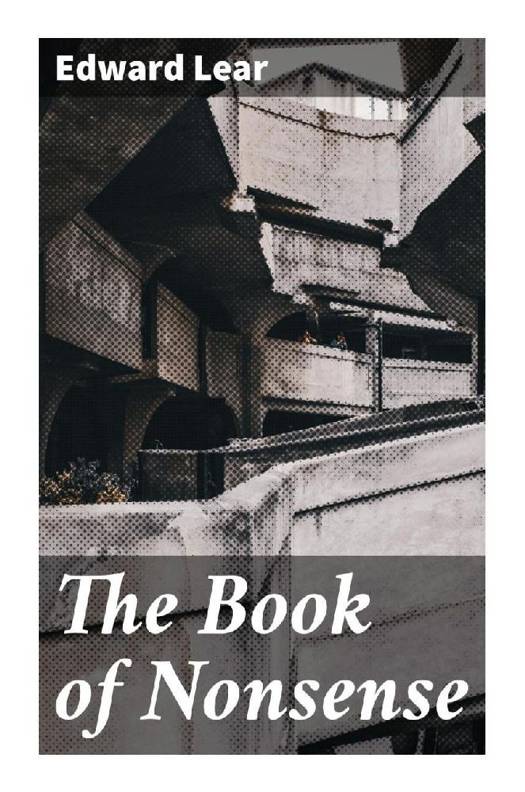
The Book of Nonsense
Illustrated Victorian Limericks, Absurdist Rhymes, and Whimsical Comic Verse for Children and Adults
Edward Lear
Paperback | Engels
€ 10,45
+ 20 punten
Omschrijving
The Book of Nonsense is a foundational collection of limericks, first published in 1846, that helped establish literary nonsense as a durable Victorian comic mode. Its brief, rhythmic poems pair absurd situations with Lear's own caricatural illustrations, creating a world in which social propriety, logic, and identity gleefully collapse. Beneath their apparent simplicity lies a precise art: repetition, rhyme, anticlimax, and verbal play transform eccentric figures into emblems of imaginative freedom. Edward Lear was a gifted artist, illustrator, and traveler before he became celebrated as a master of nonsense verse. Born in 1812, he worked as an ornithological draughtsman and later as a landscape painter, moving among patrons, children, and cultivated households. His delicate visual sense, musical ear, and lifelong experience of illness and displacement may have sharpened his sympathy for oddity, solitude, and comic self-invention. This book is warmly recommended to readers interested in children's literature, Victorian culture, comic poetry, or the history of absurdism. It delights young readers while rewarding adult attention to form, image, and social parody. Lear's nonsense remains fresh because it treats irrationality not as mere silliness, but as a humane and liberating art.
Specificaties
Betrokkenen
- Auteur(s):
- Uitgeverij:
Inhoud
- Taal:
- Engels
Eigenschappen
- Productcode (EAN):
- 9788027285143
- Uitvoering:
- Paperback
- Afmetingen:
- 152 mm x 229 mm
- Gewicht:
- 192 g


Alleen bij Standaard Boekhandel
+ 20 punten op je klantenkaart van Standaard Boekhandel
CADEAU

AANGERADEN


Beoordelingen
We publiceren alleen reviews die voldoen aan de voorwaarden voor reviews. Bekijk onze voorwaarden voor reviews.