


- Afhalen na 1 uur in een winkel met voorraad
- Gratis thuislevering in België vanaf € 30
- Ruim aanbod met 7 miljoen producten
- Afhalen na 1 uur in een winkel met voorraad
- Gratis thuislevering in België vanaf € 30
- Ruim aanbod met 7 miljoen producten





€ 40,45
+ 80 punten
Omschrijving
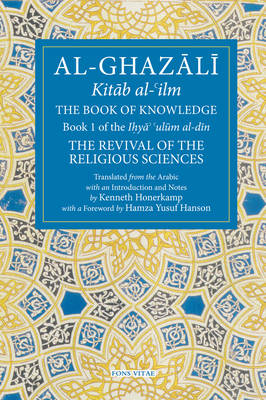
A foundational text for understanding Islamic spirituality and ethics. This book defines knowledge, its relation to faith, theology, and jurisprudence. Al-Ghazali explores the virtue of knowledge from rational and traditional viewpoints, elucidating types of knowledge and obligations.
Discover the most specific and correct codes, as Al-Ghazali outlines fields incorrectly considered Islamic disciplines, distinguishing praiseworthy from blameworthy. Delve into the perils of disputation, the conduct of teachers and students, and the intellect's virtues. This edition, translated by Kenneth Honerkamp, offers profound insights for scholars and anyone seeking a deeper understanding of Islamic thought and spiritual development. Perfect for those interested in Islamic philosophy, religious studies, and ethical frameworks.
Specificaties
Betrokkenen
- Auteur(s):
- Vertaler(s):
- Uitgeverij:
Inhoud
- Aantal bladzijden:
- 336
- Taal:
- Engels
- Reeks:
Eigenschappen
- Productcode (EAN):
- 9781941610152
- Verschijningsdatum:
- 1/05/2016
- Uitvoering:
- Paperback
- Formaat:
- Trade paperback (VS)
- Afmetingen:
- 152 mm x 229 mm
- Gewicht:
- 458 g


Alleen bij Standaard Boekhandel
+ 80 punten op je klantenkaart van Standaard Boekhandel
Cadeau

AANGERADEN


Beoordelingen
We publiceren alleen reviews die voldoen aan de voorwaarden voor reviews. Bekijk onze voorwaarden voor reviews.