


- Afhalen na 1 uur in een winkel met voorraad
- Gratis thuislevering in België vanaf € 30
- Ruim aanbod met 7 miljoen producten
- Afhalen na 1 uur in een winkel met voorraad
- Gratis thuislevering in België vanaf € 30
- Ruim aanbod met 7 miljoen producten





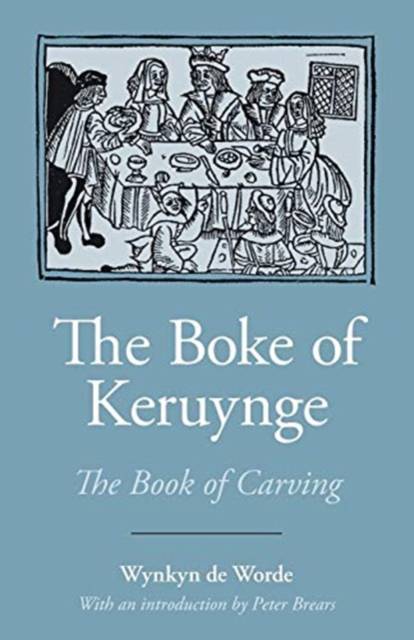
The Boke of Keruynge (the Book of Carving)
Wynken De Worde
€ 53,45
+ 106 punten
Omschrijving
Wynken de Worde's elegant black-letter handbook, long out of print, remains a major source of information on the serving and eating of meals and feasts in the great houses of late medieval and early Tudor England. Southover's reprint carries a facsimile of the original text from Cambridge University Library, with a modern interpretation facing each page. The book explains in detail the intricate rituals of setting and waiting at table, how to prepare the dishes to be served and exactly what was eaten at different times of the year, and was written as an instruction manual for well-born boys as part of their early education. It also tells the reader how to carve meat, fowls and fish and to sauce each dish with its appropriate accompaniments, some of them very sophisticated. A description is included of the chamberlain's duties in his lord's chamber, dressing him and preparing him for church, and for bed. There is an interesting section on the order of precedence on feast days and great occasions. Peter Brears writes an Introduction and provides a glossary and drawings to explain the complicated rituals, including the arrangement of cloths before and at the end of meals. His research into traditional domestic life, combined with extensive experience of cooking authentic meals in historic properties, has given him a unique knowledge of English food history. He was for twenty years director of York Castle as well as of Leeds City Museums. His books include The Gentlewoman's Kitchen (1984); Traditional Food in Yorkshire (1987); All the King's Cooks (1999), and The Compleat Housekeeper (2000).
Specificaties
Betrokkenen
- Auteur(s):
- Uitgeverij:
Inhoud
- Aantal bladzijden:
- 130
- Taal:
- Engels
- Reeks:
Eigenschappen
- Productcode (EAN):
- 9781781798874
- Verschijningsdatum:
- 1/05/2003
- Uitvoering:
- Paperback
- Formaat:
- Trade paperback (VS)
- Afmetingen:
- 140 mm x 216 mm
- Gewicht:
- 217 g


Alleen bij Standaard Boekhandel
+ 106 punten op je klantenkaart van Standaard Boekhandel
Cadeau

AANGERADEN


Beoordelingen
We publiceren alleen reviews die voldoen aan de voorwaarden voor reviews. Bekijk onze voorwaarden voor reviews.