


- Afhalen na 1 uur in een winkel met voorraad
- Gratis thuislevering in België vanaf € 30
- Ruim aanbod met 7 miljoen producten
- Afhalen na 1 uur in een winkel met voorraad
- Gratis thuislevering in België vanaf € 30
- Ruim aanbod met 7 miljoen producten





€ 55,45
+ 110 punten
Omschrijving
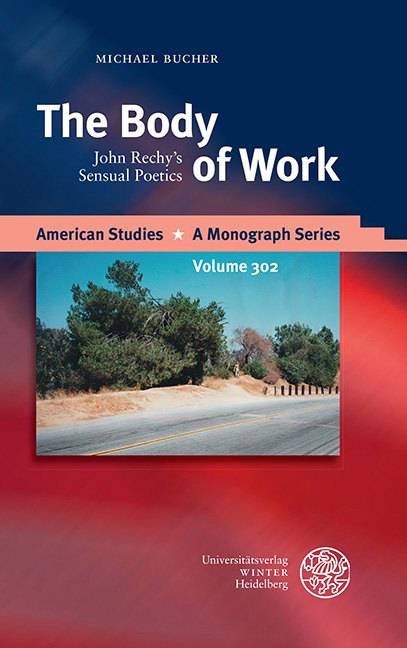
John Rechy, best known for the international bestseller 'City of Night' (1963), begins to publish explicitly gay short stories and essays on Chicano life in 'Evergreen Review' in the late fifties. In depicting the lives of hustlers and queens, Rechy's early fiction also provides the first affirmative images of transwomen in American letters. 'The Body of Work. John Rechy's Sensual Poetics' is the first book length study of the writings of this pioneer of both queer and Chicano literature. It argues that his work is shaped by two lines. The first line, shot through with loneliness and despair, is marked by a phrase that Rechy, a lapsed Catholic, uses throughout his oeuvre: "no substitute for salvation." The second line, a camp or sensual line, is first implied in the presence of drag and unfolds in a series of defiant gestures throughout Rechy's work. It emerges from moments of resistance and solidarity in pre-Stonewall America. The tension between these lines is constitutive of Rechy's poetics.
Specificaties
Betrokkenen
- Auteur(s):
- Uitgeverij:
Inhoud
- Aantal bladzijden:
- 335
- Taal:
- Engels
- Reeks:
- Reeksnummer:
- nr. 302
Eigenschappen
- Productcode (EAN):
- 9783825346195
- Verschijningsdatum:
- 14/06/2019
- Uitvoering:
- Hardcover
- Formaat:
- Genaaid
- Afmetingen:
- 137 mm x 213 mm
- Gewicht:
- 476 g


Alleen bij Standaard Boekhandel
+ 110 punten op je klantenkaart van Standaard Boekhandel
Cadeau

AANGERADEN


Beoordelingen
We publiceren alleen reviews die voldoen aan de voorwaarden voor reviews. Bekijk onze voorwaarden voor reviews.